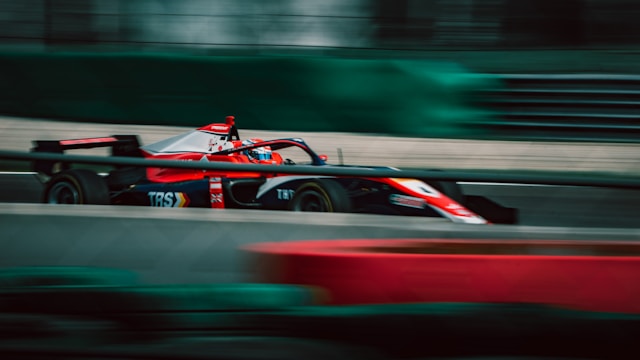
The Formula 1 Las Vegas Grand Prix has become one of the city’s biggest annual events since its debut in 2023. The glittering night race along the Strip draws hundreds of thousands of visitors and generates major headlines. But has it delivered real value for Las Vegas? Does the event makes sense for the long term?
The Pluses: Economic Boost (for some) and Global Attention
The race delivers a strong financial impact. The 2023 inaugural event created about 1.5 billion dollars in total economic activity. The 2024 race generated 934 million dollars, and 2025 numbers were projected to be similar or higher. Visitors who come for F1 spend significantly more than average tourists, often two to three times as much, and many stay for four days or longer.
The event attracts 300,000 to 315,000 fans over the weekend. It fills hotel rooms, boosts casino revenue, and supports restaurants and entertainment venues during periods when overall tourism has slowed. Major resorts such as MGM have reported strong occupancy during race week. It also creates thousands of temporary jobs and brings in substantial tax revenue.
On the branding side, F1 has placed Las Vegas firmly on the global motorsport map. The event includes concerts, fan zones, and high-end hospitality that enhance the city’s image as a premier entertainment destination. Organizers have extended the contract through at least 2027, signaling confidence in its ongoing value.
The Minuses: High Costs and Local Disruptions
Not everyone benefits equally. The Las Vegas Convention and Visitors Authority spends tens of millions on the event. When infrastructure, security, road closures, and other public costs are factored in, the net gain is lower than headline numbers suggest.
Road closures and construction disrupt daily life for months. Small businesses near the track have reported sharp drops in revenue, with some losing millions due to limited customer access. Many locals feel priced out by expensive tickets that can cost hundreds or thousands of dollars.
The benefits tend to flow mainly to large casinos and hotels rather than smaller operators or average residents. Some critics argue that the event creates temporary spikes in business but does not build steady, year-round growth.
Changing the Image of Las Vegas
A bigger long-term concern is the message F1 sends about what Las Vegas has become. The race reinforces the growing perception that the city is only for high spenders. Sky-high ticket prices, inflated hotel rates, and widespread price gouging during race week squeeze out the casual visitor who once saw Vegas as an affordable place for fun and entertainment. This shift risks turning Las Vegas into an exclusive playground for the wealthy and could damage the city’s broader appeal over time.
We covered this last year, as price gouging is starting to turn off travelers to Vegas. The F1 problems only reinforce that. There are tons of memes all over social media on race weekend of locals and travelers complaining about the ridiculous costs.
Back in the day, Las Vegas welcomed visitors from every income level. There was truly something for everyone. However, costs have skyrocketed in recent years, and the Formula 1 race only reinforces this growing perception of exclusivity. While there have always been VIP areas reserved for high rollers, the divide between luxury experiences and affordable fun now feels far more prominent.
Is F1 a Net Positive?
It’s hard to say. I lean towards no . . . the hassles just aren’t worth it. I would never go there on race weekend.
And the long-term branding damage is very real. While the race delivers clear economic benefits, focusing primarily on big casinos, wealthy travelers, and high rollers risks alienating the city’s core audience. Everyday visitors who made Las Vegas famous as an accessible and fun destination for all may feel increasingly left out.