Hospitality often shapes first impressions of a place and influences how visitors feel long after they leave. Quality service, thoughtful design, and a warm atmosphere can elevate entire destinations. When hotels, resorts, and cultural venues raise standards, communities gain stronger appeal and more vibrant activity. This connection forms a powerful foundation for long-term progress.
Visionaries like Ben Navarro recognize that a city thrives when its social spaces reflect its unique history and future potential. Investments in historic landmarks and modern entertainment venues create a ripple effect that touches every resident. This article explores how a commitment to premium service and strategic property development fuels long-term regional prosperity.
Hospitality as an Economic Anchor
When a premium hotel opens its doors, the impact stretches far beyond the lobby. Such establishments require a vast network of local suppliers, from farmers who provide fresh produce to artisans who craft custom furniture. This localized spending cycle keeps capital within the community and supports small businesses that might otherwise struggle.
Furthermore, a reputation for service excellence attracts high-value tourism. Travelers seek destinations where comfort meets culture, and their presence supports local transport, retail, and arts. A single luxury property can elevate the status of an entire district, making it a magnet for additional commercial investments.
The Role of Shared Community Spaces
Modern regional growth depends on the creation of spaces where people gather for more than just a meal or a bed. Revitalized stadiums and performance venues serve as cultural hubs that unite diverse groups of people. These locations provide:
● Year-round employment opportunities for various skill levels.
● Platforms for local talent to showcase their work to a wider audience.
● Incentives for infrastructure improvements, like better roads and public transit.
The presence of high-quality sports and entertainment facilities attracts visitors who spend money at nearby small businesses and boutique hotels. This consistent foot traffic encourages further private investment, which helps transform quiet neighborhoods into vibrant commercial centers.
Heritage Preservation and Modern Progress
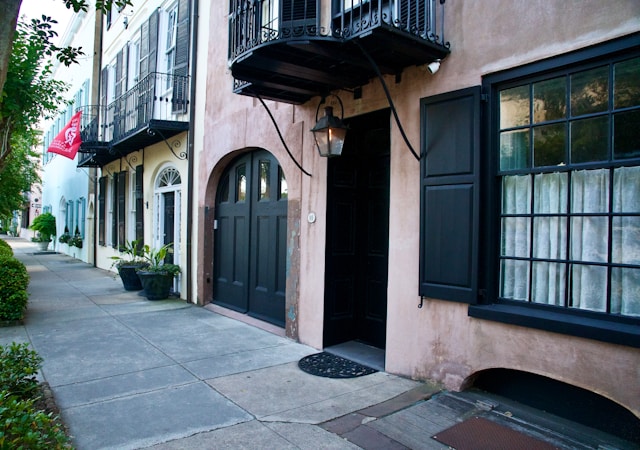
Growth does not require the destruction of the past. Instead, the most successful regions find ways to blend historic charm with contemporary luxury. A restored building often carries more emotional weight than a new structure, offering a sense of continuity that residents value.
Developers who prioritize the restoration of iconic local landmarks demonstrate a deep respect for regional identity. This approach fosters a sense of belonging among locals while providing tourists with an authentic experience. Successful projects prove that classic architecture and modern amenities coexist beautifully to drive neighborhood revitalization.
Cultivating a Skilled Local Workforce
A focus on top-tier service necessitates a robust training ground for local talent. Hospitality careers offer pathways for advancement that are accessible to many. When regional leaders invest in high-quality training programs, they build a professional class that can compete on a global stage.
Mentorship and education remain central to this evolution. Leaders such as Ben Navarro often emphasize the importance of educational initiatives to ensure that the next generation possesses the tools for success. By linking hospitality success with academic support, a region ensures that its growth is both inclusive and sustainable for years to come.
Regional growth finds its strongest ally in a thriving hospitality sector. When excellence becomes the standard, the entire community rises to meet that expectation. True progress occurs when property investment aligns with a genuine care for the people who live and work there. This synergy transforms a simple destination into a powerhouse of economic and social vitality.