A clear document prevents misunderstandings before they turn into expensive problems. Everyone involved knows exactly what they owe and what they get. Putting in the effort now saves time and stress later.
Think of a contract as a safety net for your hard work. Clear writing makes it easier for everyone to stay on the same page. You should always aim for a document that is fair to both sides.
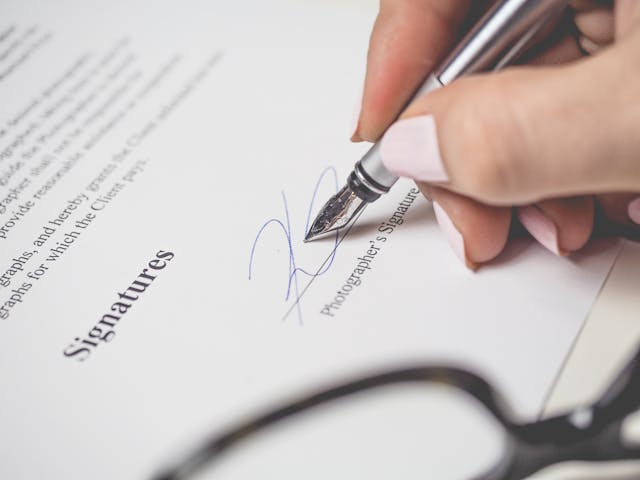
Define Every Term Clearly and How a Lawyer Can Help
Business deals fail when people assume they are on the same page without checking. Every deal is unique, and hiring a contract review lawyer can help you identify hidden gaps in your wording. Working with a professional clarifies expectations for all parties involved.
Misinterpreted words result in long delays and high costs. Defining terms at the start of the document prevents mistakes from growing. Explain exactly what names or roles mean within the text.
Precision in definitions is the foundation of a strong agreement. If a term is left open to interpretation, it will eventually cause a fight. Use simple words to describe complex ideas so there is no room for doubt.
Set Realistic Deadlines and Terms
Timing is key in a commercial deal. If a project is late, the agreement should say exactly what happens next. You need to know when payments are due and when work must be finished.
A legal update for 2026 explained that clauses shortening a limitation period must clearly exclude claims from intentional breaches. Details at this level keep everyone honest and protected. Bad actors cannot hide behind short windows of time.
Always be specific about dates rather than using vague words. Vague timelines are a major source of frustration in business. Set clear milestones that both parties can realistically meet.
Avoid Vague Language
Stay away from words that mean different things to different people. Terms like “reasonable” or “fair” are hard to prove in court. List specific requirements to keep things simple.
Clear language reduces the chance of a fight. It makes the document easier for a judge to read if things go wrong. You want your intent to be obvious to anyone who picks up the paper.
- Include exact dates for every milestone.
- List the dollar amounts for all fees.
- Describe the physical goods or services in detail.
- Write out the steps for ending the agreement.
Contracts show the way forward for both parties. Without specifics, a contract is just a list of wishes. Solid agreements are built on facts and numbers.
Leverage Modern Drafting Technology
Traditional methods are changing fast as businesses look for better ways to manage files. A major shift away from static PDF files toward digitally native smart legal contracts. They allow for better collaboration between teams across different locations.
You can see who made changes and when they made them. Modern tech keeps your documents organized in a central place. Using digital tools reduces the chance of losing a paper trail. Technology makes the entire process more transparent for everyone.
Minimize Risk with Smart Strategies
Finding problems before they happen is the best way to stay out of a courtroom. Companies using AI risk mitigation saw a 45% drop in contract disputes. These scan for errors that a human might miss.
Technology provides an extra layer of security for high-value deals and identifies patterns in your agreements that might be dangerous. Using data leads to better decision-making during the negotiation phase. Protecting your assets starts with the tools you use to write your deals.
Include Clear Dispute Resolution Paths
Every agreement needs a plan for when things go wrong. Do you want to go to mediation or straight to court? Picking a location for legal battles ahead of time prevents logistical nightmares.
Clear paths for solving issues, maintain professional relationships even during a disagreement. You should list which state laws will govern the deal. Confusion is prevented by having these rules set in stone.
It is cheaper to settle a problem outside of a courtroom if the contract allows it. Mention how the costs of a dispute will be split. This discourages people from starting unnecessary legal fights over small issues.
Focus on Performance Standards
A contract should explain what a job well done looks like. If you are hiring a builder, specify the materials and the finish. If you are buying software, list the features that must work.
Doing this keeps the quality of work high from start to finish and gives you a reason to hold back payment if the work is poor. Never leave quality up to chance or a verbal promise. Written standards are the only way to hold a provider accountable. State the consequences for failing to meet the standards you have set.

Effective drafting protects your interests and your reputation. Taking the time to get the details right shows that you value the partnership. Simple language and clear goals make for the best agreements. Your future self will thank you for being thorough today.
