Major League Baseball (MLB) and the National Basketball Association (NBA) both grapple with the explosive growth of legalized sports betting in the U.S., but their responses to player involvement in rigging bets—especially prop bets on individual performances like pitches or points—couldn’t be more different. MLB has adopted a hair-trigger stance, suspending players at the first whiff of irregularity to protect game integrity, even before legal charges. The NBA, by contrast, has leaned on internal investigations that sometimes fall short, leading to public embarrassment when federal indictments drop. This disparity stems from MLB’s haunted history with gambling (think the 1919 Black Sox scandal) versus the NBA’s more recent, partnership-heavy embrace of betting revenue.
MLB’s Swift Hammer: The Cleveland Guardians Pitchers Case
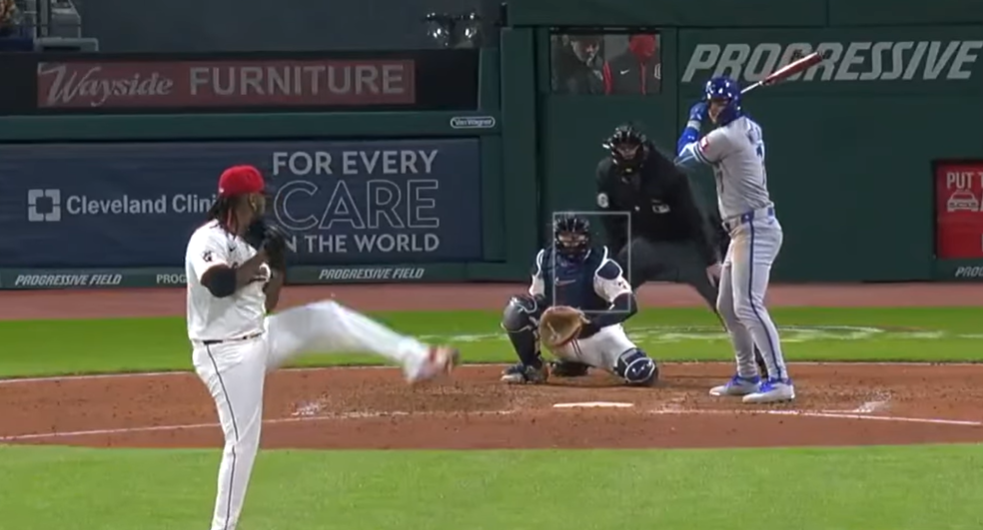
MLB’s aggression shines in the 2025 Cleveland Guardians scandal involving pitchers Luis Ortiz and Emmanuel Clase. In mid-July 2025, during a game against the Seattle Mariners, Ortiz threw a suspiciously wild pitch in the dirt—low and away, well outside the strike zone—that raised immediate red flags among betting monitors and league officials. MLB didn’t wait for concrete proof; by late July, they suspended Ortiz indefinitely pending investigation, citing potential violations of their strict gambling policy, which prohibits any betting on baseball and mandates self-reporting. Clase, the team’s star closer, wasn’t far behind—he was also sidelined shortly after as the probe deepened, even though his role was more facilitative (allegedly connecting Ortiz with bettors).
This preemptive action paid off in optics but came at a cost: Both players missed the rest of the 2025 season, and the Guardians’ bullpen suffered. Federal indictments didn’t land until November 9, 2025, charging them with wire fraud and money laundering for rigging prop bets on specific pitches (e.g., Ortiz allegedly took $5,000 to throw an intentional ball on June 15). Prosecutors alleged the scheme netted bettors over $450,000, with Clase as the ringleader starting in 2023. MLB’s early suspensions sent a clear message: Suspicion alone is enough to bench you. It’s part of a broader pattern—earlier in 2024, MLB banned infielder Tucupita Marcano for life and suspended four others without waiting for DOJ action. The league collaborates closely with sportsbooks and federal agencies like the FBI, using real-time betting data to spot anomalies like unusual prop bet spikes.
The NBA’s Hesitant Hand: The Terry Rozier Fiasco
Flip to the NBA, and the Terry Rozier case (involving the Miami Heat guard) exposes a more cautious—or critics say, complacent—approach. As early as March 2023, the league was tipped off about “unusual betting activity” tied to Rozier, including wagers on his individual prop stats like points and assists. NBA investigators dug in, reviewing game footage, phone records, and betting patterns, but ultimately cleared him in late 2023, concluding there was “insufficient evidence” of wrongdoing under league rules. Rozier kept playing, even landing a big trade to Miami in January 2024, with no public discipline.
Fast-forward to October 23, 2025: Boom—federal indictments hit, charging Rozier, Portland Trail Blazers coach Chauncey Billups, ex-player Damon Jones, and 31 others in a sprawling scheme using insider info (like injury reports and lineups) to rig bets worth hundreds of thousands. Rozier was arrested at a Florida hotel that morning, accused of feeding non-public details to mob-linked bettors for props on seven specific games dating back to 2023. The NBA suddenly looked flat-footed; Commissioner Adam Silver called it “deeply disturbing” but defended the prior clearance, saying the league’s probe lacked the feds’ access to encrypted communications between gamblers. Critics pounced, arguing the NBA prioritized player rights and revenue (they partner with DraftKings and FanDuel) over aggressive enforcement, making them seem reactive once the DOJ stepped in.
This isn’t isolated—the NBA banned Jontay Porter in May 2024 for similar prop rigging, acting decisively there based on video evidence of him faking injuries. But in Rozier’s case, their “not enough info” stance aged poorly, especially since the FBI had been building the case for over two years without fuller league cooperation.
Why the Gap? History, Policies, and Priorities
MLB’s zero-tolerance vibe traces back to its gambling-infused past; they’ve got a dedicated integrity department monitoring every bet in real-time, and suspensions are low-bar (preponderance of evidence, not beyond reasonable doubt). Post-2018 PASPA repeal, MLB limited in-game props to curb rigging risks and works hand-in-glove with law enforcement. The NBA, while banning player betting on their own league since 2023, has been slower to tighten props and relies more on post-hoc audits, partly to protect stars and TV deals. Both leagues now face calls to cap prop bets at $200 and ban them from parlays, but MLB’s already implementing changes faster.
In short, MLB treats gambling like a virus—quarantine first, ask questions later—while the NBA’s been playing catch-up, sometimes literally. As legal sports betting booms, expect both to get tougher, but MLB’s track record shows aggression preserves trust. The Rozier indictments? A wake-up call the NBA couldn’t ignore.