Knee discomfort can start subtly, a twinge after a long walk or stiffness after sitting for too long. But when pain lingers, it can interfere with everyday movement and quality of life. The knee is one of the most complex joints in the body, supporting your weight and facilitating motion for activities like walking, running, and climbing stairs. Because it bears so much strain, it’s also prone to wear, injury, and inflammation.
Understanding the underlying cause of persistent knee discomfort is the first step toward relief. Whether the issue stems from overuse, arthritis, or a structural problem, proper diagnosis and treatment can help restore function and prevent further damage.

Common Causes of Long-Term Knee Pain
Knee discomfort can result from various factors, some acute and others progressive. One of the most frequent causes is osteoarthritis, a degenerative condition where the cartilage cushioning the bones gradually wears away. This leads to stiffness, swelling, and pain that worsens with movement. Other inflammatory conditions, such as rheumatoid arthritis or gout, can also trigger persistent discomfort.
Sports-related injuries, including ligament tears or meniscus damage, may cause ongoing pain if not treated properly. Overuse injuries, like patellar tendonitis or bursitis, often develop in athletes or individuals whose work involves repetitive knee strain. Muscle imbalances, poor posture, or misalignment in the hips and ankles can also contribute to chronic knee issues by placing uneven stress on the joint.
When discomfort persists despite rest or over-the-counter medication, consulting an orthopedic specialist is crucial. An expert in knee surgery can evaluate whether structural damage or advanced arthritis is contributing to your pain. Even if surgery isn’t immediately necessary, such specialists can recommend treatments that target the source of the problem, including physical therapy, bracing, or minimally invasive interventions.
How Lifestyle and Movement Affect Knee Health
Your daily habits and physical activities play a major role in maintaining knee health. Weight management, for example, significantly reduces pressure on the joints. Every extra pound adds roughly four pounds of force to your knees when you walk or climb stairs. Maintaining a healthy weight can therefore relieve pain and prevent further cartilage wear.
Regular low-impact exercise strengthens the muscles that support the knee, improving stability and reducing strain. Activities such as swimming, cycling, and walking build strength without causing additional stress. Stretching the hamstrings, calves, and quadriceps enhances flexibility and allows the joint to move smoothly.
Posture and movement patterns matter too. Sitting for long periods or using improper form during workouts can tighten surrounding muscles, increasing discomfort.
Recognizing When Pain Signals Something More
Occasional knee soreness is normal, especially after intense physical activity. However, persistent or worsening discomfort may indicate a more serious issue. Red flags include:
- Swelling or warmth around the joint
- A grinding or popping sensation during movement
- Difficulty bending or straightening the leg fully
- Sharp pain after minor activity
- The knee feeling unstable or “giving out”
If you experience these symptoms, a professional assessment is essential. Imaging tests such as X-rays or MRI scans can reveal cartilage loss, ligament tears, or bone abnormalities. Early detection allows for less invasive treatments and prevents the condition from escalating into something that requires surgery.
Treatment Options for Lasting Relief
The right treatment depends on the cause and severity of your knee discomfort. For many individuals, non-surgical interventions are effective in managing pain and improving function. Physical therapy is often the first step, focusing on strengthening muscles, improving flexibility, and correcting imbalances that contribute to discomfort.
Anti-inflammatory medications, corticosteroid injections, or hyaluronic acid treatments can reduce pain and swelling. Bracing or supportive taping helps stabilize the joint, especially for those with ligament weakness or misalignment.
The Role of Prevention and Maintenance
Preventing knee discomfort involves more than reacting to pain, it requires consistent care and mindfulness. Incorporating strengthening exercises into your weekly routine builds resilience in the muscles around the knee. Focus on the quadriceps, glutes, and core, which work together to stabilize movement.
Warming up before exercise and cooling down afterward help prevent stiffness and inflammation. Avoid sudden increases in activity intensity or duration; gradual progression gives your joints time to adapt. Proper footwear is equally important, shoes with good arch support and cushioning can reduce shock and alignment problems.
Mental and Emotional Effects of Chronic Pain
Persistent knee discomfort affects more than just physical ability, it can impact mood, motivation, and overall well-being. People dealing with chronic pain often experience frustration or anxiety, especially if they can no longer engage in activities they once enjoyed. Addressing the emotional side of pain is vital for recovery.
Practicing mindfulness, seeking support from loved ones, or working with a counselor can help manage the psychological toll. Many individuals find relief through relaxation techniques like deep breathing, meditation, or gentle yoga. Maintaining a positive mindset and focusing on progress, no matter how gradual, makes a meaningful difference in the healing process.
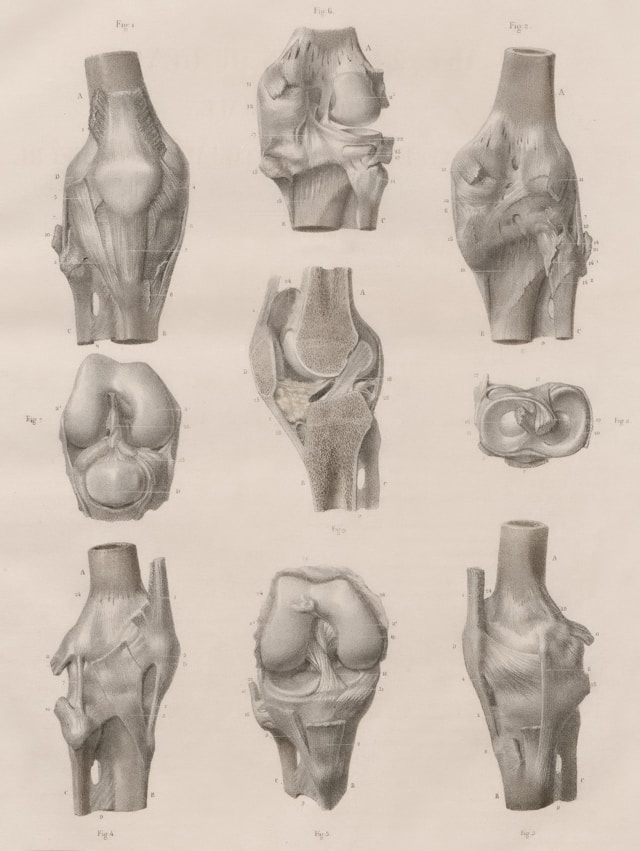
Listening to your body, seeking professional advice early, and committing to consistent care are the keys to long-term knee health. Whether through rehabilitation, medical intervention, or preventive maintenance, proactive attention ensures that your knees continue to support your movement, independence, and quality of life for years to come.
