Recovering from an injury can be a long and frustrating journey. While most people hope for a smooth path back to health, setbacks often arise that can delay progress or even cause additional complications. These challenges may be physical, emotional, or even practical in nature, but they are not insurmountable. Understanding common obstacles in injury recovery and knowing how to address them can make the difference between stagnation and steady progress. By taking proactive measures and applying the right strategies, individuals can improve their chances of healing successfully and regaining strength and function.

Pain That Persists Longer Than Expected
One of the most common setbacks people face in injury recovery is persistent pain. Even after initial treatment, lingering pain can limit mobility, affect sleep, and create frustration that slows healing. This prolonged discomfort is often due to inflammation, scar tissue development, or incomplete rehabilitation exercises. The best solution is to consult with a healthcare provider to rule out complications and adjust the treatment plan. Incorporating gentle stretching, pain management techniques like heat or cold therapy, and sticking to a consistent physical therapy routine can help manage pain and promote long-term recovery.
Lifestyle Factors That Interfere with Healing
Lifestyle choices often play a bigger role in recovery than many people realize. Poor sleep, inadequate nutrition, smoking, or high stress levels can all slow down the body’s ability to repair itself. These setbacks may be compounded by financial pressures or legal concerns after an accident. Having a lawyer can be beneficial in these situations, as they can help handle the practical burdens that interfere with rest and recovery. For example, an injury claim lawyer serving Laredo can assist with navigating insurance paperwork and compensation claims, allowing individuals to focus more on their health rather than worrying about ongoing disputes or financial strain. With peace of mind, the recovery journey often becomes smoother and less overwhelming.
Loss of Motivation and Mental Fatigue
Recovering from an injury requires patience, and it is common to experience periods of low motivation or emotional exhaustion. Mental fatigue can stem from slow progress, restrictions on daily activities, or a sense of isolation from sports, work, or social life. To overcome this setback, it’s important to set small, achievable goals that create a sense of accomplishment along the way. Tracking progress through journals or apps, leaning on supportive friends and family, and engaging in mindfulness or relaxation techniques can help maintain focus. Working with a counselor or joining a support group for injured individuals may provide encouragement and accountability.
Reinjury or Overexertion
A major setback many people face is reinjury, often caused by pushing too hard or too soon during recovery. This can undo weeks or even months of progress and extend the healing timeline. The solution lies in pacing recovery carefully and listening to the body’s signals. Following a structured rehabilitation program designed by a medical professional is important, as is avoiding the temptation to return to sports or physical activity before the body is ready. Gradual increases in activity levels, combined with proper warm-ups, strengthening exercises, and protective equipment if necessary, help prevent reinjury and build resilience.
Stiffness and Limited Range of Motion
Another frequent obstacle in recovery is stiffness or reduced range of motion in the injured area. This limitation often arises from immobility during the early healing phase or from scar tissue restricting flexibility. Overcoming stiffness requires regular movement, guided stretches, and targeted physical therapy exercises that restore function. Water therapy, yoga, and low-impact activities like cycling or walking can improve joint mobility without placing too much strain on healing tissues. The key is consistency; small daily improvements in movement can add up to significant gains.
Swelling and Inflammation Flare-Ups
Swelling and inflammation are part of the body’s natural healing response, but they can become recurring setbacks that slow recovery. Excess swelling can cause discomfort, restrict movement, and make exercise more challenging. To manage this issue, individuals should use tried-and-true methods such as the R.I.C.E. protocol, rest, ice, compression, and elevation. Anti-inflammatory diets rich in omega-3 fatty acids, hydration, and medical treatments like ultrasound therapy may help reduce chronic inflammation. Consulting a doctor to rule out complications like infection or deep vein thrombosis is crucial if swelling persists beyond the expected timeframe.
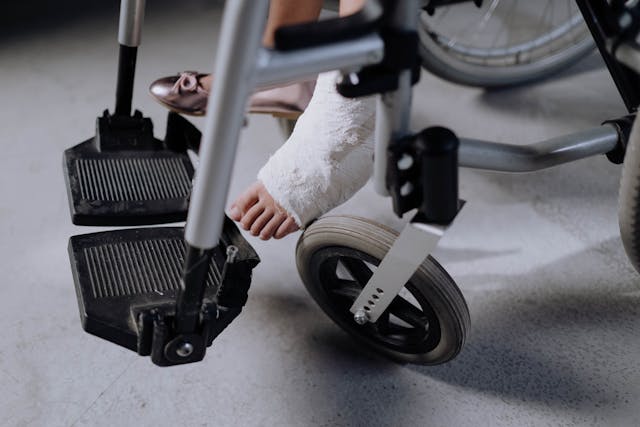
Injury recovery is rarely straightforward, and setbacks are often part of the process. Whether it’s persistent pain, mental fatigue, reinjury, or lifestyle factors, each obstacle can be managed with the right strategies and support. The key is patience, consistency, and a willingness to adapt along the way. By addressing these common challenges head-on, individuals can improve their chances of a full recovery and return to their daily lives stronger than before.
