Your home protects you from the elements, and the roof is its first line of defense. A sturdy roof keeps your family dry and safe during heavy rain or snow. Most homeowners forget about their shingles until a leak starts dripping in the living room. Waiting for a major disaster can lead to expensive repairs and property loss.
Catching problems early saves money and prevents stress. You should check your attic and shingles at least twice a year. Looking for specific warning signs helps you decide if a simple fix is enough. If you spot these red flags now, you can act before the next big storm arrives.

Daylight Peaks Through the Attic
One of the easiest ways to check your roof’s health is from inside your house. Go up to your attic on a sunny day and turn off the lights. Look up at the rafters and the underside of the decking. You should not see any pinpricks of light coming through the boards.
If you see sunshine, it means water can also get inside. Small holes often grow into large gaps during freezing weather. A recent industry report valued the global roofing materials market at $143.87 billion for 2025. This shows how much people spend to keep their homes sealed and dry.
Granules Filling Your Gutters
Take a look at your downspouts after a heavy rain shower. You might notice small, sandy pebbles piling up at the bottom. These are granules that protect asphalt shingles from harsh sun rays. They act like sunscreen for your roof to prevent the material from getting brittle.
Losing these granules is a sign that your shingles are reaching the end of their life. When the coating wears off, the asphalt underneath becomes exposed to heat and cold. This leads to cracks and allows moisture to seep into your home. Checking your gutters regularly is a smart way to track this wear and tear.
Sagging Roof Lines and Decking
A straight roof line is a sign of a healthy structure. If you notice a dip or a curve in the ridge of your roof, you have a serious problem. Sagging often indicates that the support beams are rotting or the decking is saturated with water. This issue requires immediate attention to prevent a total collapse.
You should find different roofers and look at their work here and on other sites to see how they handle structural repairs. Comparing previous projects helps you understand the quality of their craftsmanship. A sagging roof is not something you can ignore for another season. It usually means the wood underneath has lost its strength.
Interior Water Stains and Drips
Water damage does not always look like a puddle on the floor. It often starts as a faint yellow or brown stain on your ceiling or walls. These spots mean moisture is trapped behind the drywall or in the insulation. You might also notice bubbling paint or peeling wallpaper in certain corners.
Do not wait for an active drip to call a professional. Small leaks can lead to mold growth that ruins your indoor air quality. One roofing expert noted that interior water damage is a very urgent sign that a replacement is needed. Moisture moves quickly once it gets past the outer shingles.
Missing or Rusted Flashing
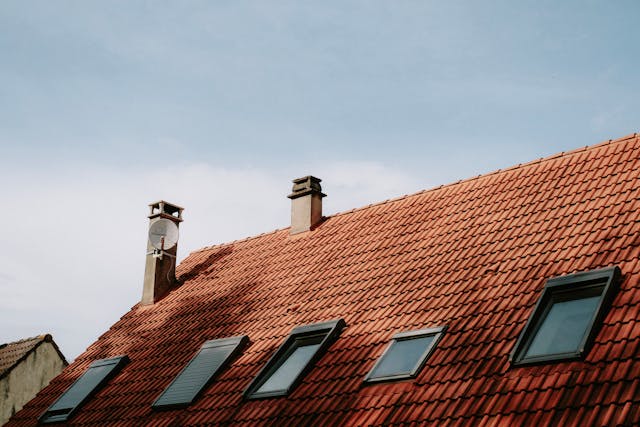
Flashing consists of metal strips placed around chimneys, vents, and skylights. It creates a watertight seal in the areas where shingles meet another surface. If these metal pieces are missing or covered in rust, water will find a way inside. Old flashing often pulls away from the wall as the house settles.
Common Roof Maintenance Items
- Seal gaps around the chimney
- Clean debris out of valleys
- Replace cracked vent boots
- Fasten loose metal drip edges
- Inspect skylight gaskets
Many leaks start at these transition points rather than in the middle of a shingle. You should ensure that the sealant around these areas is still soft and sticky. Dried out caulk will crack and let rain pour directly into your wall cavities.
Sudden Spikes in Energy Bills
Your roof plays a major role in your home’s insulation and airflow. If your attic is not vented correctly, heat will stay trapped under the shingles. This forces your air conditioner to work much harder in the summer. A damaged roof often loses its ability to reflect heat or hold in warmth.
If your utility bills are climbing for no reason, check your roof’s ventilation. Trapped heat can actually cook your shingles from the inside out. This shortens the lifespan of the materials and costs you extra money every month. Proper airflow keeps the decking dry and the shingles cool.
Signs of Poor Ventilation
- Ice dams forming in winter
- Extreme heat in the attic
- Mold on attic insulation
- Rusty nails in the rafters
- Brittle shingles in summer
Taking care of your roof is part of being a responsible homeowner. Most people find that a new roof adds value and peace of mind. Your home is your most significant investment, so protect it well. Do not let a simple repair turn into a total replacement because you waited too long.