Safety on the road is the most critical part of running a successful transport business. Keeping drivers safe protects lives and saves money on repairs and insurance. Modern technology provides tools to track habits and keep vehicles in top shape. These systems help managers spot risks long before they turn into serious accidents on the highway.

Modern Tools for Road Safety
Managers can now use hardware and software to track how vehicles move in real time. This visibility helps identify risky patterns like hard braking or speeding. Real-time alerts give drivers a chance to fix their habits immediately. Using these insights helps create a safer environment for everyone sharing the road.
Safety programs work best when they focus on data and feedback. Seeing where a driver struggles allows for targeted coaching instead of broad lectures. This approach makes training more effective for the entire team. Consistent monitoring shows that safety is a constant priority for the company.
Training and Data Integration
Gathering data is only the first step in a strong safety plan. One industry report found that 72% of fleets see fewer crashes when they combine driver training with telematics data. Using this info to coach drivers makes the workspace much safer for everyone. It helps drivers understand the impact of their choices behind the wheel.
Providing clear feedback helps drivers improve their skills every day. When a driver sees their score improve, they feel a sense of pride in their work. This positive reinforcement leads to better long-term habits. Safe driving becomes a standard part of the job rather than a chore.
Finding the Right Hardware
Many fleets look for reliable tools to capture every detail of a trip. Picking the best dash cam for semi trucks helps provide clear evidence in case of an accident. This technology serves as an extra set of eyes for the driver at all times. High-quality footage can save a business from expensive legal battles.
Choosing the right equipment requires a look at storage and video quality. Good cameras handle low light and bad weather without losing detail. They offer a clear view of what happened on the road. Having this record protects the driver and the company from false claims.
AI and Better Compliance
Artificial intelligence is playing a bigger role in fleet operations lately. Research shows that AI provides new methods to cut down on vehicle downtime and help teams follow safety rules. These smart systems can predict when a truck might need repairs before it breaks down. Preventing a breakdown on a busy highway is a major safety win.
AI can also spot distracted driving or signs of fatigue in real time. If a driver looks away from the road, the system can send an alert. This immediate warning helps prevent accidents caused by a lack of focus. It acts as a safety net for drivers during long hauls.
- Lower insurance premiums for safe fleets
- Fewer vehicle repairs from aggressive driving
- Higher driver retention rates
- Better protection against legal liabilities
Improving Driver Accountability
Transparency helps build trust between the office and the people on the road. When everyone sees the same data, there is less room for disagreement. This accountability leads to a more professional culture within the company. Drivers often take more care when they know their performance is recorded.
Rewarding safe behavior is just as important as correcting bad habits. Many companies use safety scores to give out bonuses or recognition. This creates a healthy competition to see who can be the safest driver. It turns safety into a rewarding goal for every employee.
Long-Term Vehicle Health
Safety is not just about how a person drives the truck. The condition of the vehicle matters just as much for staying safe. Fleet management systems track mileage and wear to schedule regular maintenance. A well-maintained truck is much less likely to have a tire blowout or brake failure.
Keeping a strict schedule for repairs keeps the fleet moving without surprises. When parts are replaced before they fail, the truck stays reliable. This consistency helps drivers feel more confident in the equipment they use. It shows the company cares about the tools they provide to their staff.
Creating a Culture of Safety
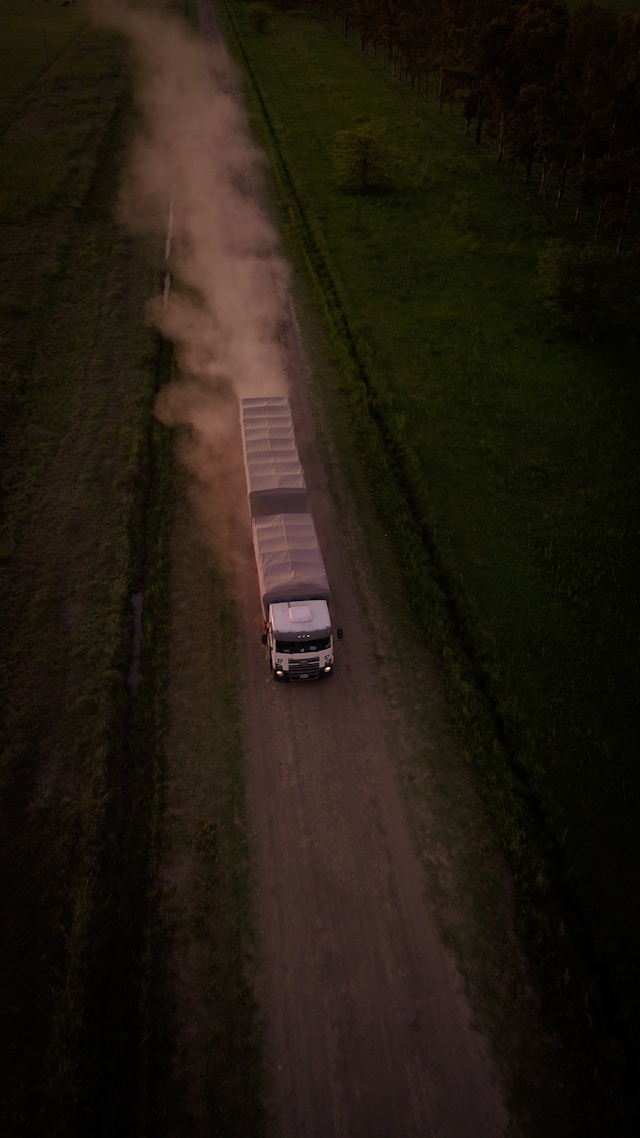
A safe fleet starts with a commitment from the top levels of management. If leaders value safety, drivers will follow that example in their daily tasks. Regular meetings to discuss safety goals keep the topic fresh in everyone’s mind. Open communication allows drivers to report hazards they see on their routes.
Technology is a powerful tool, but it works best with human support. Combining smart gadgets with a caring culture leads to the best results. Drivers who feel supported are more likely to follow safety protocols. This team effort creates a workplace where safety comes first every day.
Investing in these systems pays off through lower costs and a better reputation. Clients want to work with companies that have a clean safety record. A reputation for safety helps win more contracts and grow the business. Protecting your drivers is the best way to protect your future success.