Bringing workers back to the office requires careful planning. Managers need to look at safety policies and talk to their teams before the big day. A slow approach helps everyone feel safe and ready to do their best work.
Preparing the physical space helps a lot. Check the lighting and desks to see if everything works right. Since many people have been away, a fresh look at the office can help everyone settle in faster.

Setting Clear Rules for Everyone
Everyone needs to know the new rules before they walk through the doors. Send out a guide that lists office hours and safety habits. Clear words prevent confusion and make the first week much smoother for the whole team.
Managers should host a short video call to answer questions. This gives people a chance to talk about their concerns. Hearing from the boss directly makes the transition feel more personal and less scary.
Following Safe Regulatory Steps
Safety rules are the backbone of a successful office reopening. Managing a return‑to‑duty compliance process keeps everyone on the right path and minimizes legal issues for the company. Taking these steps early prevents many problems from happening later.
Legal forms and health checks are part of the routine for some roles. Keeping these records organized helps the HR team stay on top of things. It protects the business from risks and keeps the staff feeling secure in their positions.
Supporting Employee Health and Recovery
Some staff might be coming back after a long leave for health reasons. An analysis of over a dozen studies showed that 79% of people went back to work after being treated for job-related injuries. Supporting these workers with flexible duties helps them get back to full speed faster.
Workstations should be comfortable and safe for every single person. Look at the chairs and desks to see if they need adjustments. A healthy body leads to a focused mind and better results for the business.
Training for a Modern Workspace
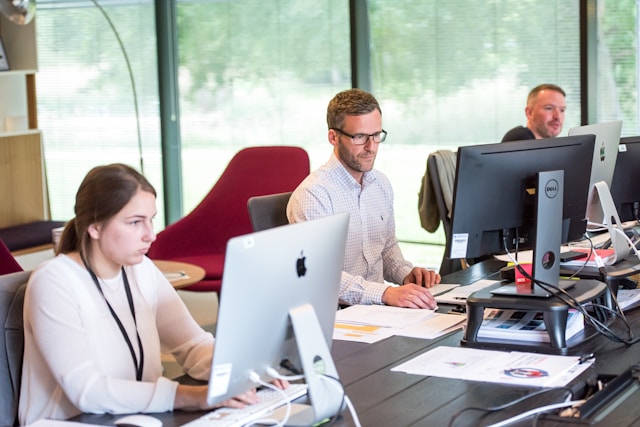
Technology moves fast, and the office might have new tools now. Schedule a training day to show everyone how to use the new software or security systems. Learning together helps the team bond and stay productive.
Safety drills are another good idea for the first month. Practice what to do in an emergency so everyone stays calm. It might seem like a small thing, but it saves lives and prevents injuries.
Monitoring Workplace Trends and Success
It helps to look at how other companies are handling their staff transitions. A survey about workplace safety found that the number of people returning to work fell to 88.9% in 2025. This shows that managers must stay active in helping their teams adjust.
Tracking attendance and mood can tell you a lot about the office environment. Use simple surveys to ask people how they feel each Friday. The data helps you make changes before small issues turn into big ones.
Keep an eye on industry news to see new safety ideas. Modern businesses are using 2 or 3 new methods to keep their floors safe and clean. Staying informed keeps your company ahead of the curve.
Managers should share these success stories with the whole team. When people see that the office is getting safer, they feel more confident. Positive news helps keep the office mood high and productive.
Planning for Long-Term Safety Success
Success does not happen overnight when a team returns to the office. It takes weeks or months of checking in to make sure everything stays on track. Building a strong foundation now leads to a better future for the entire organization.
- Check desks for proper height and comfort.
- Set up a cleaning schedule for shared areas.
- Give staff 2 breaks per day to stretch and move.
Create a feedback loop where workers can suggest safety improvements. People on the floor often see things that managers miss. Listening to these ideas makes the workspace better for every person there.
Regular meetings help keep the safety message fresh in everyone’s mind. Talk about safety for 5 minutes at the start of every big meeting. This keeps the focus on health without taking up too much time.
Small rewards for safe behavior can boost morale. If the team goes a month without an accident, celebrate with a team lunch. This encourages everyone to follow the rules and stay safe.
Building a safe environment is a team effort that never truly ends. When everyone follows the plan, the transition back to work becomes a positive step forward. Taking the time to do things right shows that the company values its people above all else. A focused and safe team is ready to reach new goals and help the business grow. Staying patient and helpful makes the whole process worth the effort for every person involved.