Taking care of a home involves many small tasks that are easy to forget. Most people never look up at their roof until they see a wet spot on the ceiling. These leaks can ruin drywall and insulation in a very short amount of time.
The smallest pieces of metal or plastic often keep the whole house dry. Paying attention to these tiny details saves thousands of dollars in the long run. Preventive care is the best way to avoid a massive financial surprise.
Detecting Early Warning Signs
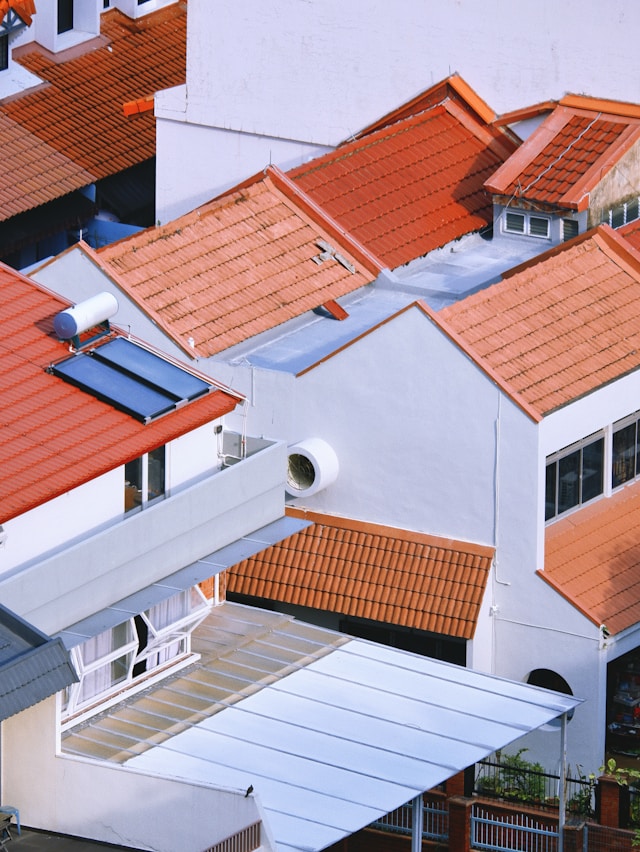
Visual checks from the safety of the ground can reveal missing shingles. It is a smart move to fix damaged roof flashing before the next big storm arrives. Regular looks help homeowners catch issues before they turn into major structural headaches. Catching a problem early is always better than waiting for a drip.
Metal strips around chimneys and pipes act as a shield against the rain. If these pieces start to lift or rust, moisture finds a path into the house. Water can rot the wooden frame of the home without anyone knowing for months.
Granules in the gutters are another sign that the roof is getting old. These small rocks protect the surface from the sun and show when the material is wearing out. If the gutters are full of sand, the shingles are likely reaching the end of their life.
Understanding The Cost Of Neglect
Ignoring a tiny drip leads to expensive interior repairs down the road. Water travels along wooden beams and settles in spots that are hard to reach. This moisture creates a perfect environment for mold to grow in the attic.
Maintenance costs stay much lower when problems are handled right away. Watch for these common items that need your attention:
- Clogged gutters that back up under the wood
- Cracked seals around the plumbing vent pipes
- Algae growth that traps water against the surface. Checking these spots twice a year keeps the roof in top shape.
Wood rot can spread quickly through the deck if the air stays damp. Keeping the surface dry and clear of leaves prevents this kind of decay. A dry roof is a strong roof that can handle high winds and heavy rain.
Budgeting For Unexpected Home Repairs
Setting aside a small fund for home fixes provides a lot of peace of mind. Every property eventually needs some level of help to stay in good shape. Owners who plan for repairs are never caught off guard by a sudden leak.
Costs vary based on what needs fixing and how much work is involved. A well-known home improvement publication shared that typical roof fixes can cost between $392 and $1,913, depending on the problem. This price range covers everything from simple shingle swaps to more complex leak repairs.
Small fixes are much easier on the bank account than a full replacement. Spending a few hundred dollars now prevents a bill for several thousand later on. Investing in the roof today protects the equity in the home for the future.
The Function Of Metal Transitions
Roof valleys are areas where two slopes meet and channel heavy water flow. These sections face a lot of pressure and need extra protection from metal liners. Without these liners, the sheer volume of water would soak through the shingles.
When metal pieces rust, they lose the ability to shed rain as they should. Replacing these parts keeps the underlying wood dry and solid for many years. New metal transitions look great and add a layer of defense against the elements.
Wind can sometimes pry these transitions away from the roof surface during a storm. Re-securing them preserves the strength of the entire water management system. It is a simple job that keeps the attic dry even in the worst weather.
Attic Ventilation And Heat Control
Proper airflow keeps the roof deck at a stable temperature during the year. Without vents, heat builds up and bakes the shingles from the inside out. This heat can shorten the life of the roof by several years.
Excessive heat causes the roofing material to become brittle and break too early. A cool attic prevents ice dams from forming in the cold winter months. These ice dams can rip gutters off and push water under the shingles.
Homeowners should check that insulation is not blocking the intake vents near the edges. Clear paths let fresh air move and remove trapped humidity. Good ventilation saves money on cooling costs during the hot summer months, too.
Selecting The Right Materials For Longevity
Quality sealants make a big difference in how well the joints hold up. Using cheap products results in leaks within just a few years of installation. High-quality caulking stays flexible and seals out water for a long time.
Some people prefer metal accents for their durability and very sleek look. These materials resist fire and withstand heavy snow without any cracking or breaking. They cost more upfront but last much longer than traditional asphalt products.
Choosing UV-resistant products helps the roof stay flexible in very hot weather. Flexibility is key for materials that expand and contract throughout the day. Brittle materials crack easily when the temperature changes quickly.
Seasonal Maintenance Habits To Adopt
Every spring and fall presents a chance to check for any new damage. Removing leaves and branches prevents mold from growing on the shingle surface. Debris holds moisture that can cause the roof to rot away.
Check the mortar on chimneys for cracks that might let the rain inside. Small cracks are easy to fill with waterproof caulk before winter arrives. Fixing the masonry keeps the chimney stable and the house dry.
Trimming overhanging tree limbs keeps squirrels and birds away from the roof. Animals can claw at the surface and create holes that let in water. Keeping the branches back prevents limbs from falling during a storm as well.
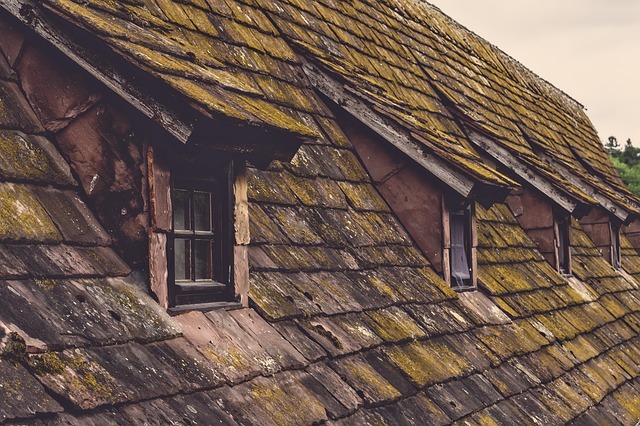
Maintaining a home is a marathon rather than a very short sprint. Taking care of the roof makes the rest of the house stay dry. This protection is worth the effort it takes to inspect the shingles.
Smart owners watch the details and act fast when they see a tiny problem. This simple habit keeps the home sturdy and saves money. A well-maintained roof is the best defense against the forces of nature.