Improving the air inside a home starts with a close look at the mechanical system hidden behind the walls. Most people ignore their heating and cooling units until a problem arises. Taking a proactive stance maintains a healthy living space for everyone inside. You can take a few simple steps to make sure your equipment does more than just regulate temperature.
Filter Changes Keep Systems Clean
Regular maintenance starts with the most basic component of your unit. A furnace filter captures pollutants as air is pulled through the return vent, but the more particulates it captures, the harder it is for the air handler to circulate air. Clogged filters force the motor to work harder, which results in higher energy bills and potential breakdowns.
Homeowners should inspect these filters every month to see if dust has blocked the flow. Hiring professional HVAC services for seasonal tune-ups is a smart move for long-term reliability. Experts can spot small issues before they turn into expensive repairs and clean out the deep interior components.
Advanced Filtration Captures Small Particles
Standard filters catch large clumps of dust, yet they miss smaller threats like bacteria. A 2025 development in IAQ is the widespread adoption of MERV 13 filtration systems that trap bacteria and viruses. These high-efficiency options provide a much stronger barrier against microscopic irritants.
Upgrading to these filters demands checking if your current fan can handle the extra resistance. Some older systems might struggle with the dense material used in high-MERV options. Asking a technician about your system capacity avoids damaging the blower motor while trying to improve air quality.
Impact Of Wildfire Smoke On Homes
Outdoor conditions frequently dictate how hard your indoor system needs to work. The EPA’s 2026 Wildfire Smoke Preparedness in Community Buildings Grant Program is open through April 15, 2026. This initiative shows how seriously the government takes the threat of drifting smoke from seasonal fires.
Smoke particles are tiny and can seep through small gaps in windows or doors. Keeping the system on recirculate during high-smoke events prevents pulling that dirty air inside. A well-sealed house combined with a strong filtration setup creates a safe space during bad outdoor air days.
Monitoring Tech Tracks Invisible Pollutants
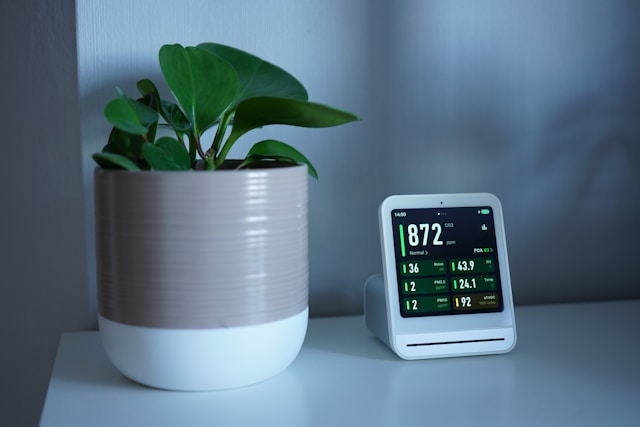
Knowing exactly what is in your air allows for better decision-making. Analysts expect the broader HVAC air quality monitoring industry to reach about $75 billion by 2035, up from $46 billion in 2025. Smart sensors now alert homeowners when carbon dioxide or volatile organic compounds spike.
- Sensors track humidity levels to prevent mold growth.
- Real-time data helps you decide when to open windows for fresh air.
Optimizing HVAC systems with advanced filtration can address outdoor contaminants and indoor pollutants. Digital readouts take the guesswork out of air quality management and show precise particle counts.
Portable Units Support HVAC Efforts
Main systems sometimes need a little extra help in specific rooms. Portable air cleaners with HEPA filters reduced primary room particulate matter concentrations by 78.8%. Placing these in bedrooms or home offices provides a targeted layer of protection.
These smaller machines work well in tandem with your central air. They catch the lingering dust that settles in corners where central vents might not reach effectively. Use both methods so that the air stays clean throughout the entire house, regardless of the layout.
Health Benefits Of Cleaner Indoor Air
Improving the atmosphere inside has direct links to physical well-being. A study published in August 2025 found that using portable HEPA air purifiers at home can lower systolic blood pressure in adults. Cleaner air reduces the stress placed on the body by environmental toxins.
Nearly 131 million Americans live in areas with failing air quality grades in 2025. Focusing on the air inside your home is one of the best ways to control your personal environment. Investing in your system today results in better health outcomes for years.
Regular Duct Cleaning Removes Debris
Over the years, dust and hair settle deep inside the metal vents that run through your house. Professional cleaning removes these hidden piles of dirt that your filter might miss. Clearing the pathways allows the air to move freely and keeps the smell of the home fresh.
Experts use high-powered vacuums to pull out any blockages or old construction debris. You might notice less dust on your tables and shelves after a deep cleaning. This process helps your unit breathe better and extends the life of the blower motor. Take this step if you have just moved into a new place.

Managing a home system needs consistent attention to detail and a willingness to upgrade old parts. Modern technology makes it easier than ever to breathe easily without worrying about hidden contaminants.
Clean air is still a top priority for families who want to stay healthy and comfortable throughout every season. Maintaining your equipment protects your investment and your lungs at the same time.