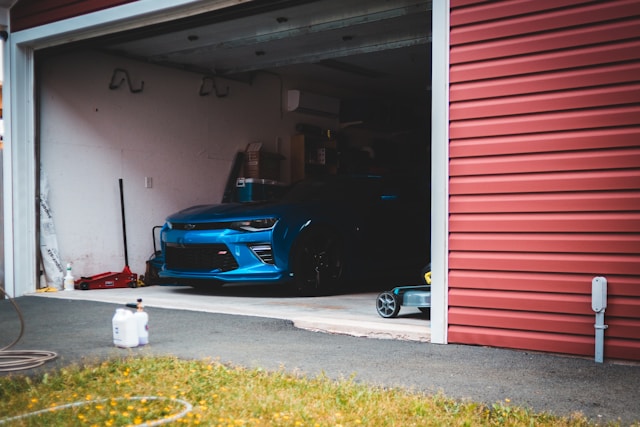
Keeping a garage comfortable is tricky. Heat rolls in through doors and roofs, and humidity sneaks in from cars, plants, and the ground. When the space swings from hot to cool, water can condense on tools, boxes, and drywall. A warm car and rainy driveway can tip it fast.
Know What You Are Fighting
A garage has fast temperature changes and limited indoor conditioning, so humidity behaves differently than it does in a living room. Warm air holds more water vapor, then dumps it on cooler surfaces when the temperature drops. That pattern is why the room can smell musty even when it looks clean. Concrete and metal cool fast, so droplets show up first.
A quick check-in helps you act on facts, not vibes. When you track the swings, you can protect your home from mold without turning the space into a science project. Write down the temperature and humidity for 7 days, then circle the hours when dampness spikes. That small log turns into a clear plan for fixes.
Aim for a Practical Humidity Range
Pick a number range and treat it like a speed limit. A home maintenance guide from EngineerFix suggests keeping relative humidity around 35% to 55% so mold and condensation are less likely. If your readings sit above that band for long stretches, focus on removing water vapor before you chase more airflow.
A dehumidifier can work well in a closed garage, though it needs a clear drain plan. Emptying a bucket every day gets old fast, so a hose to a floor drain or a condensate pump makes the habit stick. Start by running it during the dampest hours, then adjust based on readings.
Get Air Moving Without Inviting Rain
Open doors and windows help on dry days, though they can backfire on muggy days. A guide from Alan’s Factory Outlet notes that preventing mold in a garage takes a multi-pronged approach, and ventilation is only one piece of it. Think of airflow as a tool you use at the right times, not a setting you leave on forever.
If you run a fan, aim it to push stale air out, not to blast damp air deeper into the space. Use a timer so the fan runs during the driest parts of the day. For garages with fumes or dust, a small exhaust fan high on a wall can clear the upper air where heat pools. Crack the door a few inches, then watch the hygrometer.
Stop Moisture at the Door and Floor
Water loves the simplest path, so block the easy routes first. Replace cracked door weatherstripping, add a bottom seal that touches the slab, and check corners where light leaks through. On the inside, keep storage off the floor so slab humidity has less to soak into. Store firewood in sealed bins to cut odors and dampness.
Try a quick sweep of the usual trouble spots. Scan monthly and after heavy rain.
- Look for white powder on concrete, a sign of water wicking up.
- Check boxes for soft edges or dark dots.
- Inspect door frames for peeling paint or swollen wood.
- Feel around pipe holes for cool, damp air.
Dry Wet Spots Fast After Spills or Storms
One wet day can set the stage for weeks of odor if the garage stays closed. The U.S. Environmental Protection Agency says wet materials need to dry quickly, within 24-48 hours, to avoid mold growth. Treat that window like a rule, even for small puddles near the door. Water trapped under mats can keep causing trouble.
Start by pulling soaked items into the sun or a covered, breezy spot. Run fans aimed at the wet area, then follow with a dehumidifier once the room is closed up.
If drywall, insulation, or pressed wood stays damp after a day, removal is often safer than trying to save it. Bag ruined items fast, so spores stay contained. Scrub hard surfaces with soap and water after they dry.
Reduce Heat Buildup With Simple Changes
Heat control is not just comfort; it is humidity control, too. Hotter air pulls more water vapor into the space, then turns it into condensation when a cool night hits. Lowering peak temperatures can cut that daily swing. A reflective barrier overhead can lower peak temps.
Shade helps more than people expect. Park a car outside for an hour after a long drive so the engine bay heat does not bake the room, and use light-colored blinds or film on west-facing garage windows. If you plan upgrades, insulation over the garage door and in the ceiling can reduce the oven effect without touching the rest of the house.

A garage will never feel like a bedroom, and that is fine. Small, repeatable habits beat big one-time projects, so focus on measurement, quick drying, and blocking easy leaks. Once the numbers improve, the garage feels calmer. When humidity stays in a reasonable range, the air feels better, tools last longer, and musty smells lose their foothold.