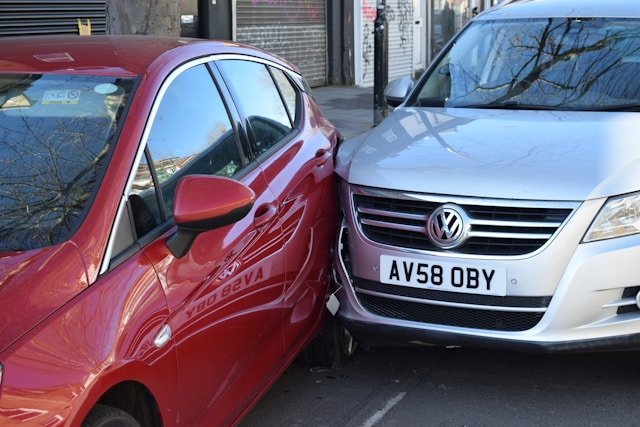
The AA Accident Assist had run a survey indicating that 19 percent of all accidents involved a vehicle being hit by a driver that then fled the scene of the accident. The next highest percentage was a driver fleeing after hitting a parked car. By far, moving-vehicle collisions occur more frequently than collisions in the other categories of accidents. This category constitutes about 40 percent of all accidents.
Being informed that somebody has caused damage to your vehicle and then just simply run away is immensely painful and extremely frustrating. You can be empowered if you know that this scenario can be resolved and you have options to recover damages.
What if someone hits your parked car at night? How can you file an insurance claim in this kind of scenario? car even without a witness? And how can you proceed with the steps in the hit-and-run scenario?
Let’s discuss how to properly address a parked car hit-and-run incident.
Assess the Damage and Document the Scene
If a hit and run has occurred, immediately look for an assessment of injuries and do the photographic capture of the scene. Calm down and take a deep breath.
Do conduct a thorough investigation to find dents, scrapes, or any broken parts on your car. Take note of anything that looks wrong at the very moment and look carefully if anyone has left behind parts of their vehicle; any small piece of information will help.
Get photos of the area where the incident took place. You should also note the time of the accident and the location. These details could be very important for the claims process and any police report that may have to be filed. Your diligence now will save you trouble later.
According to Hattiesburg car accident lawyer Daniel M. Waide, if your car has suffered damage or other items of personal property have been damaged, you can seek financial compensation for these losses. That’s why you need to get all this evidence to support your claim.
Gather Evidence: Photos and Witness Information
Once the damage has been recorded, proof must be gathered to support the claim. Get your car captured in a photograph. The pictures should focus on the dents and scratches from all angles. Some details, such as scratches in the car, parts of the surroundings, or other damages, should be shown. The number plate of the other car clearly needs to be visible.
Also, remember to gather more information from the witnesses than just their names and addresses. A witness can become the legal representation that wins your case when they remember a few important facts you’ve forgotten.
Don’t forget the exact date and time of the hit-and-run, as the entire case could hinge on these details.
Check for Surveillance Cameras Nearby
Any areas of interest should be checked for adjacent surveillance cameras that may have recorded the incident.
Parking lots, businesses, and traffic intersections are all spaces where critical evidence can present itself. Camera locations and their direction should be noted if discovered. Contact with the property owner or manager may be necessary for some of these circumstances.
The process is time-consuming, as some of the older systems overwrite the data on short notice. Wherever possible, check or record the brand of cameras or any other identifiable detail.
This information will be useful for either documentation of the incident or assistance sought from law enforcement departments. The evidence should itself confirm the collected surveillance footage and pinpoint the wrongful party.
Report the Hit-and-Run Incident to Authorities
Contact your nearest police bureau instantly and inform them of all the important details of your case.
Report all the damage to the vehicle in your description. Don’t forget to get a police report to help the investigation and have an officially certified document for your claims if a hit-and-run occurred.
Notify Your Insurance Quickly
Contact your insurance company after speaking with the police. It is advised that you contact your insurance provider promptly, ideally within a day. Tell them every detail they could need from you. It includes when, where, and the extent of damage due to the accident. Give a copy of the pictures you took and witness details to your insurance agency.
An insurance company representative will walk you through the process and see what coverage you have.
Credibility is very important in this type of case. Highlight facts of the accident. The sooner you inform the insurance company, the better.
What Are Your Rights After a Hit-and-Run?
You have the right to report the case to the police, who will then identify the offending party. You may also want to claim insurance from your company if the responsible party was insured.
Injuries create openings to claim damages for medical bills, lost workdays, and personal suffering. Keeping some evidence, for instance, an eyewitness or photographic evidence from the scene, is a great idea. Victims can use it as supporting evidence when claiming compensation.
Tips for Preventing Future Hit-and-Run Incidents
After being a part of an accident, parking in an area where there are lights will deter future accidents. You should park far enough so that traffic flows past smoothly.
A dashcam can be another precaution to take. It can help you get some really useful footage to be used in case of an accident. Also, stay very observant of your surroundings, particularly on occasions when you are entering or exiting your car.
Avoid parking at a place where you feel that an accident can easily happen. Have your contact information on your car for identification purposes if there happens to be an accident.