A roof upgrade is more than a cosmetic change. Done well, it can reduce drafts, help rooms hold a steady temperature, and protect ceilings and walls from moisture that slowly damages finishes.
Long-term comfort comes from treating the roof as a system: the shingles or panels you see, the layers beneath, and the attic conditions below. When each part works together, the house feels calmer in every season.
Start With a Roof Assessment
Begin by noting what you feel indoors. Uneven room temperatures, stale attic air, or stains on ceilings can point to heat loss, trapped moisture, or small leaks that need attention before new materials go on.
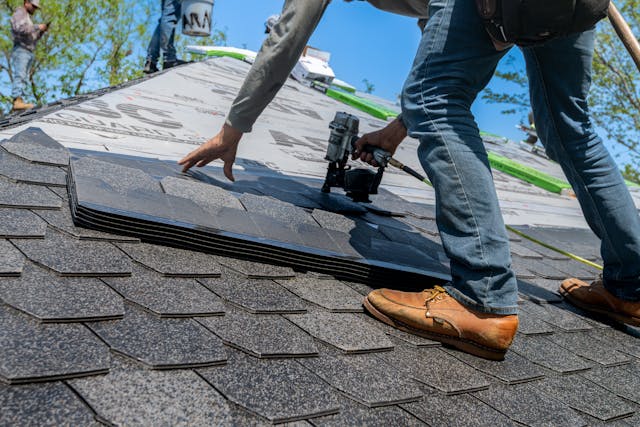
A careful inspection should look beyond the surface. Pay attention to flashing around chimneys and walls, the condition of the roof deck, and whether gutters and downspouts move water away from the foundation.
Create a short list of concerns, even if they seem minor, such as a musty smell after rain or ice buildup along eaves. Those clues help you target fixes that improve comfort instead of just replacing what is visible.
Know When To Bring In Expert Help
Some roofing decisions are hard to judge from the ground, and a second set of trained eyes can prevent you from paying for the wrong fix. This matters when leaks appear only during certain storms, when attic humidity is high, or when you suspect hidden deck damage.
A qualified contractor can explain tradeoffs in plain language, such as whether a targeted repair will hold up or if a full replacement is the safer route for comfort and durability. If you want local guidance with clear options, experts like a roofing company in Havertown can review your roof system, point out risk areas, and outline upgrades that align with your budget. Professional help can be valuable for details that affect long-term performance, including flashing transitions, ventilation balancing, and code-related requirements.
You gain a written scope, a sequence of work, and a clearer plan for protecting insulation and interior spaces during the project.
Improve Insulation And Air Sealing
Many comfort problems blamed on the roof are really attic-floor problems. Warm air escaping upward in winter and hot air entering the living space in summer can make HVAC work harder, and rooms feel inconsistent.
Air sealing is a practical starting point because it targets the gaps where air leaks through the ceiling plane. The U.S. Department of Energy highlights caulking and weatherstripping as effective techniques that can improve comfort while cutting heating and cooling losses.
After leaks are sealed, evaluate insulation depth and coverage. Insulation works best when it is continuous, dry, and not compressed, with attention to common weak points such as attic hatches and recessed fixtures.
Control Moisture With Ventilation And Drainage
Moisture control quietly protects comfort. A damp attic can reduce insulation performance, encourage odors, and create conditions that support mold growth, even when the roof covering looks fine.
Focus on stopping unwanted moisture at the source and drying what remains. The U.S. Environmental Protection Agency emphasizes that controlling moisture is key to preventing mold problems, which often start when materials stay wet or humid for too long.
Balanced ventilation can help when paired with good air sealing and proper insulation. Keep soffit intakes clear, make sure exhaust paths are not blocked, and confirm bathroom fans vent outdoors rather than into the attic.
Built-in Storm And Wind Resistance
Comfort is hard to maintain after a storm that tears off shingles or pushes water into the attic. When reroofing, consider upgrades that strengthen the roof’s resistance to wind and water entry.
Underlayment matters because it can act as a secondary barrier when the top layer is stressed. FEMA guidance on sloped roof systems notes that upgraded underlayment can provide a meaningful secondary water barrier when conditions get rough.
Ask your installer about edge details, starter courses, and fastening patterns suited to your roof design. Small choices at ridges, hips, and eaves can reduce the chances of wind lifting materials and creating leaks.
Plan The Project For Fewer Surprises
Good planning protects your budget and your schedule. Before work begins, confirm what will be replaced, what will be reused, and which hidden issues could change the scope once old materials come off.
Clarify ventilation changes, insulation protection during the job, and how landscaping and driveways will be safeguarded. Get written details on cleanup, magnetic nail sweeps, and what happens if rotten decking is found.
Finally, keep paperwork organized. Review warranty terms, required maintenance, and any local permit steps your township may require for reroofing, so you avoid delays and protect resale documentation.
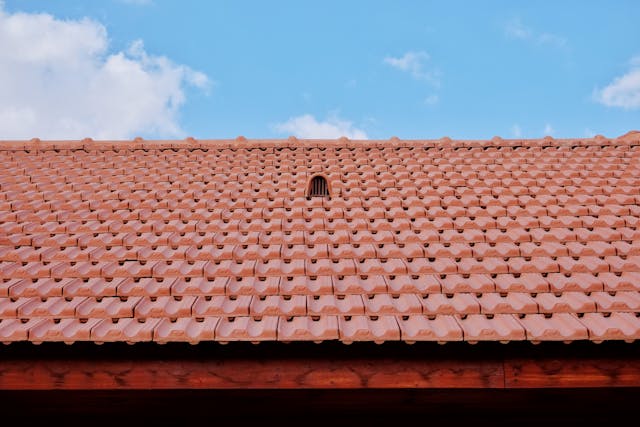
A comfortable home depends on a roof system that blocks weather, limits air leakage, and manages moisture. When you pair quality materials with careful detailing, you get fewer drafts, steadier indoor temperatures, and less worry during heavy rain.
The best results come from prioritizing what you can feel inside: air sealing, insulation performance, and moisture control, then matching those upgrades with storm-resilient layers. That approach turns a roof replacement into a long-term comfort investment.