Recovering from a truck accident can be painful in ways you might not expect. Many people experience lingering muscle spasms that make everyday movements difficult. The team at Cohen & Jaffe Law Office understands how these injuries affect your life and the importance of proper care. Trigger point therapy offers a gentle, effective way to release muscle tension and support recovery. With the right approach, you can regain comfort and start moving more freely again.
How Truck Accidents Can Lead to Muscle Spasms
Truck accidents often cause sudden jolts or impacts that strain muscles in the neck, back, and shoulders. This trauma can create tight knots that tense up and lead to painful spasms. Even small movements can trigger discomfort until the muscles are properly treated and released.
Understanding Trigger Point Therapy
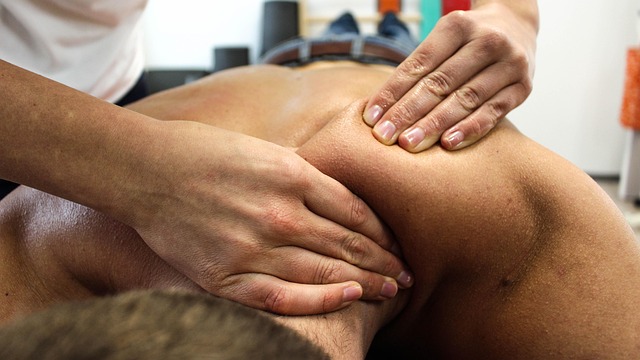
Trigger point therapy focuses on tight knots in your muscles that can cause pain even when you are at rest. A trained therapist applies targeted pressure to release tension and improve blood flow. Many people find it helps them move more comfortably and speeds up recovery after an injury.
Benefits of Trigger Point Therapy After an Injury
Trigger point therapy offers several benefits for anyone recovering from a truck accident or other injuries. Here are some ways it can help:
Reduce Muscle Tension and Spasm Frequency
Trigger point therapy targets tight knots in your muscles that often cause spasms. By releasing these points, your muscles can relax and move more freely.
Improve Blood Flow and Promote Healing
Applying pressure to trigger points encourages circulation in the affected area. Better blood flow brings nutrients and oxygen to injured tissues, helping them heal faster.
Support Better Posture and Prevent Secondary Injuries
Muscle tightness can force your body into unnatural positions, which may lead to additional pain or injury. Trigger point therapy helps restore balance and alignment, making everyday activities easier.
Enhance Overall Comfort and Mobility
Many people notice that their range of motion improves after a few sessions. Reduced tension and pain allow you to return to normal routines without constant discomfort.
Techniques Used in Trigger Point Therapy
There are several techniques used in trigger point therapy that can help relieve muscle spasms and improve recovery after an injury. Here are some of the most common approaches:
Manual Massage and Pressure Techniques
A therapist uses fingers, knuckles, or elbows to apply steady pressure to tight spots in your muscles. This helps release knots and reduce discomfort, making it easier to move.
Stretching and Myofascial Release
Gentle stretching and soft tissue work help lengthen muscles and improve flexibility. These techniques loosen tension and support smoother movement after an accident.
Dry Needling
Thin, sterile needles are inserted into specific trigger points to release muscle tightness. Many people notice reduced pain and improved mobility after a few sessions.
Instrument Assisted Techniques
Special tools can be used to massage or scrape the muscle tissue in a controlled way. This approach helps break up knots and stimulate blood flow, enhancing the effects of therapy.
How to Incorporate Trigger Point Therapy Into Recovery
Incorporating trigger point therapy into your recovery plan can make a big difference in managing muscle spasms and regaining mobility after a truck accident. Here are some ways to make the most of it:
Work with a Licensed Therapist
Finding a licensed physical therapist or certified practitioner ensures that trigger point therapy is done safely and effectively. They can tailor the treatment to your specific injuries and comfort level.
Combine Therapy with Stretching and Gentle Exercise
Stretching and light exercise help maintain the benefits of trigger point therapy between sessions. Regularly moving your muscles prevents new knots from forming and supports overall recovery.
Take Time to Rest and Recover
Giving your body time to rest is just as important as the therapy itself. Adequate rest allows muscles to heal and respond better to treatment, reducing the risk of further injury.
Track Your Progress
Keep notes on your pain levels, flexibility, and any changes in mobility after each session. Tracking your progress helps you and your therapist adjust the plan for the best results.
When to Seek Medical Advice
While trigger point therapy can be very effective, there are times when it is important to seek medical advice to ensure your recovery stays on track. Here are some signs to watch for:
Persistent or Worsening Pain
If your muscle spasms or discomfort persist despite therapy, it may signal an underlying injury that requires further evaluation. Ignoring ongoing pain may slow recovery or make the problem worse.
Numbness or Tingling
Feeling numbness, tingling, or a pins-and-needles sensation in your arms, legs, or other areas may indicate nerve involvement. Prompt evaluation by a medical professional can prevent long-term complications.
Limited Mobility or Weakness
Difficulty moving a joint or noticing weakness in your muscles could mean the injury is more serious than a simple spasm. Seeking medical guidance ensures proper diagnosis and treatment before it affects your daily life.
Signs of Serious Injury
After a truck accident, if one experiences symptoms such as a sharp pain in the spine, head injuries, or loss of balance, these should never be overlooked. Getting medical attention without delay helps exclude fractures, disc injuries, or other conditions that require intervention.
Conclusion
Recovering from a truck accident can be challenging, but managing muscle spasms with trigger point therapy can make a real difference in your comfort and mobility. Working with a skilled therapist and staying consistent with treatment helps you regain strength and feel more like yourself. The team at Cohen & Jaffe Law Office understands the impact these injuries can have on your life and encourages taking the right steps toward both legal and physical recovery.