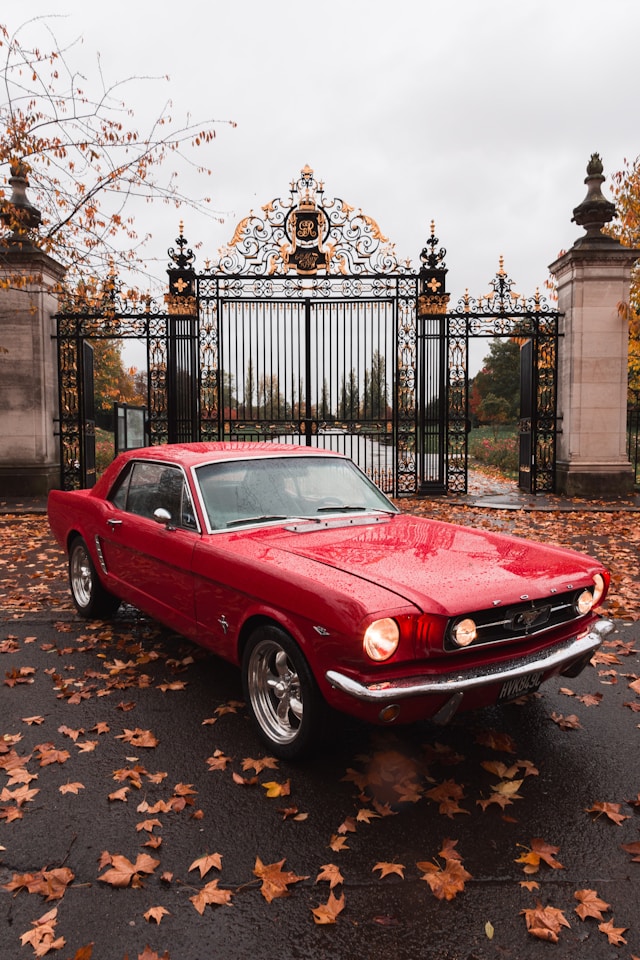
Vintage vehicles hold a special place in the automotive world because they blend history, engineering, and emotion into something far more significant than just transportation. Unlike modern cars that typically go down in value the moment you drive them off the lot, many vintage and classic cars can appreciate over time, sometimes dramatically so. Their value isn’t just about metal and wheels; it’s about rarity, history, and desirability.
Why People Focus on Classic Cars
People pay close attention to classic cars on the market since active listings reveal how value works in real time rather than in theory. Looking at prices, specs, and condition across similar vehicles helps buyers spot patterns, and reviewing current available classic cars gives context on which models attract steady interest versus those that linger. These comparisons make it easier to judge how factors like originality, mileage, and documented history affect asking prices today. Seeing what is actually for sale bridges the gap between long-term valuation guides and the practical realities of buying or collecting right now.
What Makes Vintage Cars Valuable
Vintage cars become prized for several key reasons that go beyond everyday use:
Rarity and Limited Supply
Classic and vintage vehicles are no longer produced, which means the supply only shrinks over time. Cars that were built in limited numbers or have few surviving examples tend to attract competitive bidding and higher prices from collectors.
Historical and Cultural Significance
Many classic cars represent milestones in automotive history, notable design eras, or iconic moments in culture and motorsport. Vehicles with documented provenance, like race history, celebrity ownership, or a unique story, can command premiums.
Condition, Authenticity, and Restoration
The value of a vintage vehicle is closely tied to its physical state. Well-maintained cars, retain original parts (often referred to as “matching numbers”), or have been meticulously restored, usually fetch higher valuations. Authentic restorations using correct parts are especially prized among collectors.
Brand and Model Prestige
Certain manufacturers and models have built reputations that attract enthusiasts worldwide. Vehicles from marque brands like Ferrari, Porsche, and other luxury or performance makers are often seen as more collectible, which boosts their market value.
Demand and Market Trends
Interest in classic cars fluctuates with broader cultural trends, collector tastes, and events like auctions or car shows. When demand grows faster than supply, prices rise accordingly. At major auctions, rare classics have been known to sell for millions of dollars, illustrating how prized these vehicles can be.
Emotional and Cultural Appeal
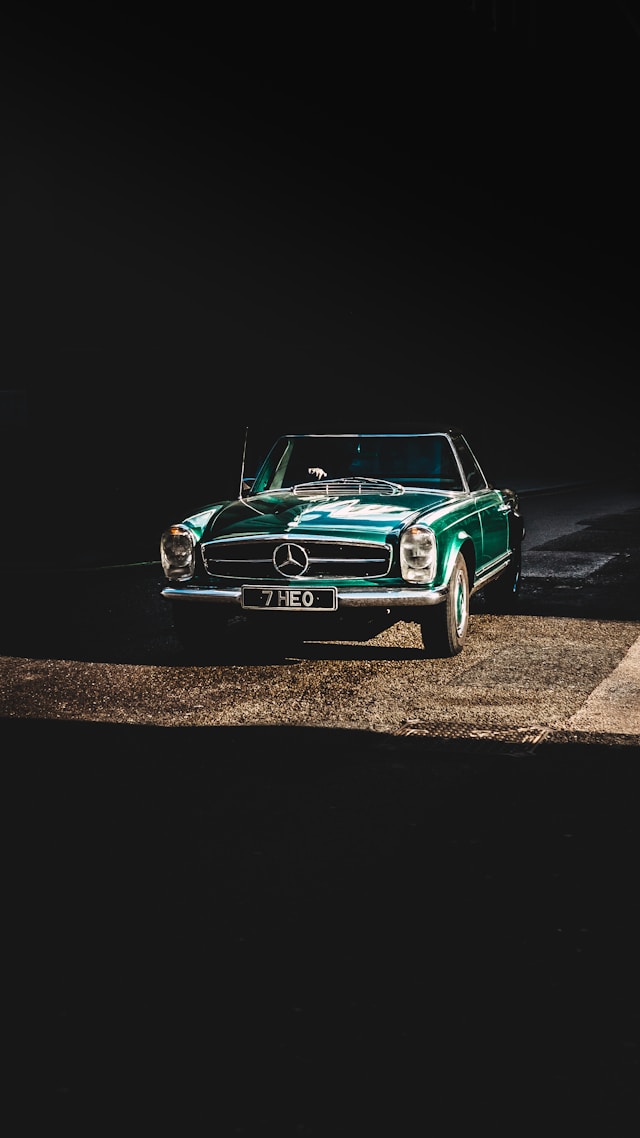
For many owners, a vintage car represents far more than a financial asset or a weekend hobby. These vehicles often connect people to specific moments in time, whether that’s a childhood memory, a family story, or an era when car design felt more personal and expressive. The sounds, smells, and driving feel of an older car can spark strong emotional responses that modern vehicles rarely replicate, which adds a layer of value that never shows up on a price chart.
Cultural influence plays a role, too. Classic cars appear in films, music, racing history, and major social movements, which helps cement their place in popular culture. Ownership can feel like stewardship, where preserving a vehicle means keeping a small piece of history alive for future generations. This emotional attachment fuels demand, supports long-term interest, and often explains why certain models remain desirable even when maintenance costs are high or practical use is limited.
Value Trends and Investment Considerations
While vintage vehicles can appreciate over long periods, it’s important to understand how value trends work and what to look for when considering them as part of a collection or investment.
Appreciation Over Time
Many classic cars, especially well-known models or those from prestigious brands, have historically increased in value over decades. Some indexes show that classic cars can outperform traditional assets like stocks or real estate over the long term, thanks to limited supply and strong collector demand.
Not All Classics Are Equal
Although some cars rise steeply in value, others may see slower growth or even decline, depending on market trends and broader interest. For example, 2025 market data shows mixed performance across different models and brands, underscoring that not every vintage vehicle appreciates uniformly.
Costs and Expertise Matter
Owning and preserving a vintage car isn’t free. Storage, maintenance, insurance, and proper restoration all contribute to overall costs. However, for many enthusiasts, these are part of the joy and part of what protects long-term value.
By understanding how pricing works for classic cars, you’ll be better equipped to identify which vintage vehicles are likely to hold or grow in value and why certain cars command a premium in today’s collector market.