Blood tests sound technical, but they are simply a peek into how your body is working. A small sample can reveal clues about energy levels, heart risk, hormones, and more. With a bit of context, those lines of numbers turn into a story you can understand.
This guide walks through what blood tests look for, how to prepare, and what common results mean. You will learn which panels matter most, how often to check them, and simple questions to ask at your next visit.
What Happens During A Blood Test
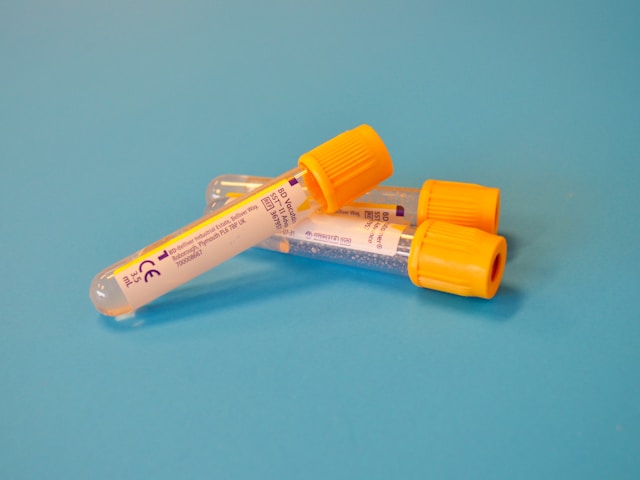
Most tests start with a quick check-in and a tourniquet on your upper arm. A needle draws a small amount of blood into tubes. You might feel a pinch, but the process is usually done in a minute.
Some tests require fasting for 8 to 12 hours, especially when checking glucose or lipids. Water is fine and often encouraged, so your veins are easier to find. If you take morning meds, ask ahead about timing.
Afterward, apply pressure for a minute to prevent bruising. Keep the bandage on for a few hours. Mild soreness is normal and fades quickly.
Common Panels You Might See
A complete blood count looks at red cells, white cells, and platelets. It helps explain fatigue, checks for infection, and screens for bleeding issues. If your numbers sit outside the reference range, your clinician will look at patterns, not just one value.
A metabolic panel checks electrolytes and organ markers like liver enzymes and kidney function. It also includes glucose, which pairs with A1C to show short and long-term blood sugar control. Abnormal results guide next steps like hydration, medication review, or imaging.
A lipid panel measures total cholesterol, LDL, HDL, and triglycerides. High LDL and triglycerides raise heart risk, while higher HDL can be protective. Results inform diet tweaks and, when needed, prescriptions.
- CBC – red, white, platelets
- CMP – electrolytes, kidney, liver, glucose
- Lipid panel – total, LDL, HDL, triglycerides
- A1C – 3-month view of glucose
- Thyroid panel – TSH with T4 and sometimes T3
- Iron studies – ferritin, iron, transferrin saturation
- hs-CRP – inflammation marker linked to heart risk
Reading Key Numbers
Reference ranges are guide rails, not strict pass or fail scores. Your results should be read in context with age, symptoms, and medications. Small shifts may be normal for you.
If a number is flagged high or low, look at the trend. A single elevated liver enzyme after a tough workout might settle by next week. Multiple rising values across time can signal something deeper.
Sometimes a clinician orders screens that check for substances that affect health and safety. This is where Toxicology Testing comes in handy, helping identify drugs or chemicals that may be in the bloodstream or other fluids. Results should be paired with history and follow-up, so care stays supportive and accurate.
How Often Should You Test
Healthy adults often do yearly labs, but timing depends on risk and personal history. If you are changing your diet or starting a new medication, your doctor might recheck sooner to see how your body responds.
Chronic conditions call for a tighter schedule. People managing diabetes, thyroid disease, or heart risk may test every 3 to 6 months. The goal is to keep adjustments data-driven and timely.
Athletes and people with demanding jobs may use periodic labs to monitor iron, electrolytes, or muscle enzymes. The key is to avoid overtesting while still catching meaningful shifts.
Preparing For Your Draw
Read your lab order and follow fasting instructions if required. Plan testing early in the day so fasting is easier and results compare well with past mornings. Bring a snack to eat right after.
Stay hydrated the day before and the morning of your test. Warmth and movement before the draw can also make veins easier to access. If you have had fainting episodes, tell the staff so they can position you safely.
Write down medications and supplements. Biotin, for example, can skew certain results. Honest details help the lab and your clinician interpret the numbers correctly.
When A Result Is Out Of Range
Do not panic. One outlier rarely tells the whole story. Ask whether the result could be affected by timing, hydration, exercise, or a recent illness.
Clarify next steps. Sometimes the plan is to repeat the test after rest or fasting. Other times, your clinician may add a more specific test to confirm the finding.
If medication is recommended, ask what change the drug should produce and when to retest. Knowing the target makes follow-up straightforward and measurable.
Questions To Ask Your Clinician
Which numbers matter most to me and why? You want a short list tied to your personal risk profile.
What can I change today that moves those numbers in the right direction? Focus on food quality, movement, sleep, and stress skills.
When should we recheck, and what result would count as progress? Clear timelines prevent confusion and keep you engaged.
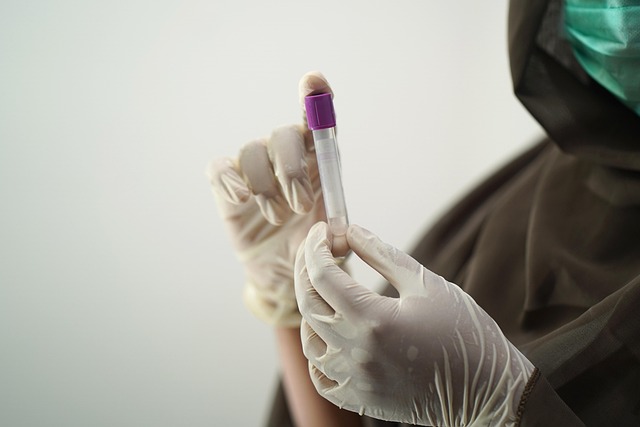
Blood testing is a tool, not a verdict. When you know what each panel shows, you can use the data to support your goals and catch problems early.
Keep copies of your results and track trends over time. Small, steady improvements add up, and seeing them on paper can be encouraging.