Life feels easier when your dog understands basic manners. Guests step through the door without chaos, walks feel calm instead of stressful, and family time at home turns more relaxed. Good manners do not arrive from luck or a special breed. Consistent, kind training shapes them.
You can build those habits with short daily sessions and clear rules. You do not need advanced skills or fancy tools. You only need patience, timing, and a plan that your whole household follows.
Set Clear Rules From The Start
Dogs feel safer when they understand what you expect. Mixed signals confuse them and slow progress. Decide on house rules before you start training and write them down where everyone can see them.
Pick a few non-negotiables. You might decide that the dog stays off beds, waits at doors, and keeps four paws on the floor when people say hello. Use the same words for each rule every time. If one person says “Down” for lying on the floor and another says “Down” for getting off furniture, the dog faces a puzzle. Choose one cue for each behavior and stick with it.
Share these rules with every family member. Children can learn simple cues and hand signals. Visitors can follow your lead at the door and ignore pushy jumping. When everyone responds in the same way, your dog learns faster and trusts the routine.
Use Positive Rewards To Shape Behavior
Dogs repeat actions that bring good things. Food, praise, toys, and play sit high on that list. You gain better manners when you catch your dog making good choices and reward them quickly.
Treats, praise, and play motivate most dogs far more than scolding or physical corrections. Many families learn from Phoenix dog training experts that rewards shape reliable behavior and strengthen the bond between dog and human. You can keep favorite treats handy in every room and mark good choices the moment they happen.
Pair a clear cue with a desired action and an immediate reward. Say “Sit,” wait for the hips to touch the ground, then deliver a treat and a cheerful “Good sit.” Short sessions of five to ten repetitions work best. End while your dog still feels eager rather than bored. Over days and weeks, you can phase treats down and keep praise and play strong.
Teach Calm Greetings At The Door
Excited greetings often cause the biggest manners problems. Dogs jump, bark, and scratch as people enter, then owners apologize and wrestle with leashes or collars. You can teach calm behavior at the door with practice and clear structure.
Start with family members before you involve guests. Clip a leash to your dog and ask for a sit or a stand at a chosen spot, a few feet from the door. Toss a treat to that spot so the dog sees the target and starts to like that position. Then pretend to knock or ring the bell. If the dog holds position, deliver another reward. If the dog rushes forward, calmly guide them back and reset.
Build Loose Leash Walking Skills
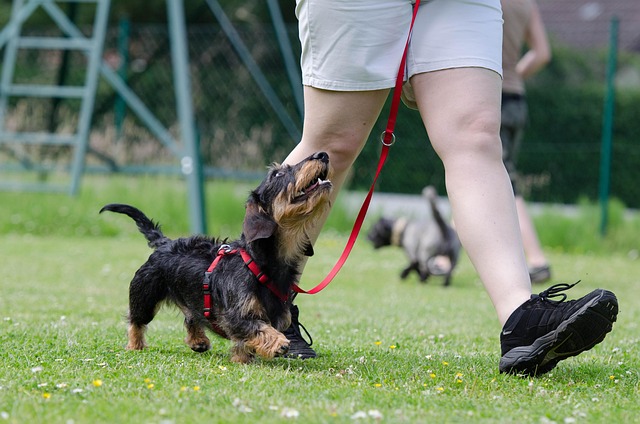
Walks give your dog exercise and mental stimulation. Poor leash manners can turn that time into a daily struggle. Pulling, lunging, and zigzagging come from excitement and a lack of clear guidance. You can teach loose leash walking with patience and consistency.
Choose a side for your dog and stay with it. Hold treats in the hand nearest the dog. Take one step forward. If the leash stays loose and your dog remains near your leg, feed a treat. If the dog forges ahead and tightens the leash, stop and wait. Do not yank. Simply stand still. When your dog looks back or steps toward you, reward that return and move again.
Prevent Problem Behaviors Before They Start
Dogs rarely misbehave just to upset you. They chew shoes, bark at windows, or dig in the yard because those activities feel fun, relieve stress, or fill a gap in their day. You protect manners when you meet those needs with better outlets.
Provide daily physical exercise that matches your dog’s age and breed. Some dogs feel satisfied with brisk walks and fetch. Others need structured training games, scent work, or agility-type play. Mental work tires dogs more gently than nonstop running and reduces restless behavior in the house.
Stay Patient And Consistent Through Setbacks
Training rarely follows a straight line. Dogs have off days, distractions appear, and life interrupts routines. Progress still continues when you stay patient and return to basics as needed.
If your dog forgets a cue in a new environment, lower the criteria. Ask for an easier behavior or move farther from distractions. Reward small successes and build back up slowly. Avoid long lectures or angry tones. Dogs read your body language more than your words, and tension from you often increases confusion.
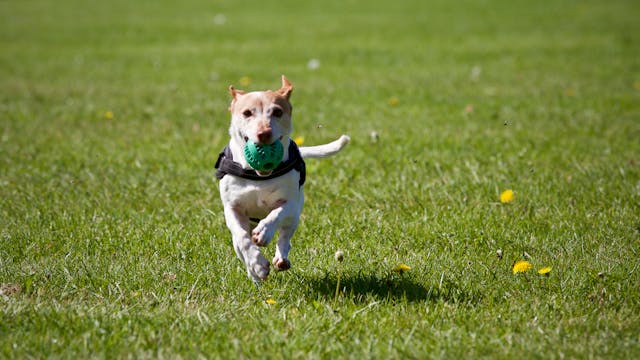
As these habits settle in, life with your dog begins to feel smoother and more enjoyable. Walks turn relaxing, visitors feel welcome, and your dog gains confidence through clear guidance and kind training.