In a field that evolves as rapidly as healthcare, staying informed is not optional, it’s critical. Medical breakthroughs, new treatment standards, technological advances, and shifting patient needs all demand that professionals continually refine their expertise.
Healthcare conferences have become one of the most effective ways for clinicians, administrators, researchers, and support staff to stay ahead.
These events bring together some of the sharpest minds in medicine and create learning opportunities that go far beyond traditional training.

A Direct Path to Updated Medical Knowledge
Healthcare professionals must constantly keep up with emerging research, changing guidelines, and best practices. Conferences give them a structured environment to absorb new information through lectures, demonstrations, and hands-on workshops.
This is particularly true in specialized fields where updates arrive quickly. Professionals may rely on a hematology education platform to support year-round learning, but conferences allow them to discuss new findings face-to-face with leading experts. These short, intensive sessions often clarify complex concepts that would take much longer to understand through independent study.
For many attendees, conferences become a reliable source of clarity in increasingly complex medical vistas.
Networking That Builds Stronger Professional Communities
Healthcare can be isolating in demanding specialties or smaller facilities where practitioners have limited exposure to peers.
Conferences solve this problem by gathering professionals from around the world. The connections formed during these events can lead to collaborations, mentorships, and access to new opportunities.
A simple conversation between sessions may spark research partnerships or the sharing of innovative treatment approaches that improve patient outcomes.
These networks become valuable when healthcare teams confront unusual or urgent cases and need fresh perspectives from trusted colleagues.
Exposure to Innovative Tools and Technologies
Medical technology evolves faster each year, and conferences serve as a preview of what will soon shape real-world patient care.
Exhibitors showcase everything from advanced diagnostic equipment to software that improves workflow efficiency.
Professionals can see demonstrations, ask questions directly to developers, and evaluate whether a new tool will benefit their practice. This direct interaction helps them make informed purchasing decisions and stay ahead of industry-wide shifts.
Instead of learning about new devices after they’ve already entered the market, conference attendees get to evaluate innovations early and prepare their teams for future changes.
Skill-Building Through Targeted Workshops
Workshops are often the most hands-on component of healthcare conferences. They allow participants to practice new techniques, refine procedural skills, or test emerging technologies in supervised environments.
These sessions offer immediate feedback from experts, helping professionals increase their confidence before applying these skills in real clinical settings.
Since workshops are typically smaller and more interactive than lectures, they encourage discussion and help reinforce what attendees have learned. The result is a workforce better equipped to handle new clinical challenges.
Benefits Professionals Notice Immediately
- A clearer understanding of new treatments
- Stronger professional relationships
- Greater confidence in adopting updated medical practices
A Platform for Discussing Policies and Patient-Care Challenges
Beyond clinical advancements, healthcare conferences provide a space to address the broader issues influencing patient care. Policy changes, insurance challenges, and public health strategies often require cross-disciplinary conversation.
Conferences bring together policymakers, administrators, and clinicians who can examine these matters from different angles.
This environment helps attendees understand how national or regional policy shifts may impact their daily operations, patient access, and long-term planning.
Motivation and Renewed Commitment to Patient Care
Working in healthcare can be emotionally and physically exhausting. Conferences offer a refreshing break from routine, allowing professionals to reconnect with the “why” behind their work.
Hearing patient success stories, learning about breakthrough treatments, and engaging with passionate colleagues often reignites purpose and interest.
Many professionals return to their workplaces feeling inspired, more confident in their skills, and motivated to provide the best possible care. This renewed energy can improve team morale and patient satisfaction.
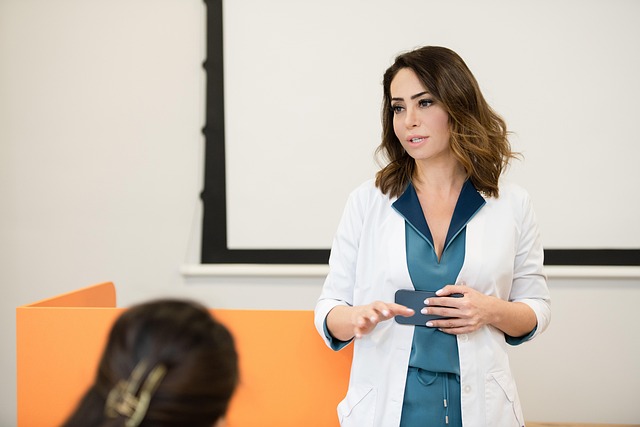
Opportunities for Career Advancement
Attendance at conferences demonstrates commitment to professional growth. Many employers value employees who seek out new learning opportunities and stay up to date with industry developments.
Conference participation can open doors to leadership roles, research involvement, and advanced certifications.
Some events even offer continuing education credits, which are important for maintaining licenses and credentials. Consistent conference involvement can be a powerful factor in career progression.
Healthcare conferences play a critical role in guaranteeing high-quality patient care and professional excellence.
They offer access to cutting-edge knowledge, hands-on skills, interdisciplinary collaboration, and renewed motivation, all in a concentrated format that delivers lasting benefits.
As the medical world becomes more complex and fast-paced, the value of these gatherings only grows. For healthcare professionals committed to staying informed, connected, and inspired, conferences remain one of the most impactful tools for ongoing development and long-term success.