As warehouses expand, the demands on storage and organization increase exponentially. Managing inventory efficiently and guaranteeing easy access to items is critical to maintaining productivity and meeting delivery deadlines.
Designing storage systems that fit unique operational needs is no longer optional, it is critical for businesses looking to scale.
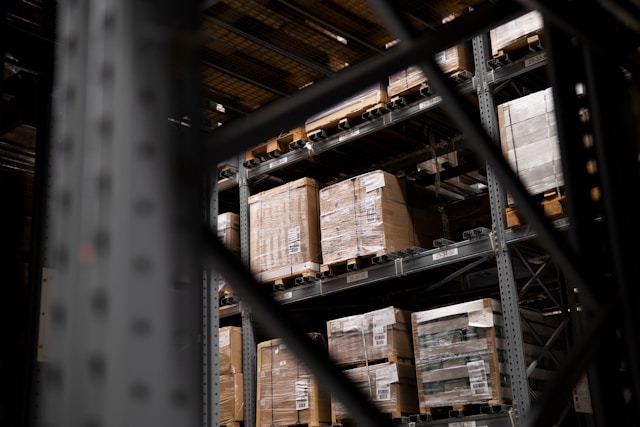
Understanding Your Warehouse Needs
Before making any storage investments, businesses must clearly define their operational requirements.
This includes thinking about the types of products handled, the volume of inventory, turnover rates, and special handling requirements. Consulting warehouse optimization experts can help identify tailored solutions that address these challenges, guaranteeing shelving, racking, and workflow systems match your specific operational demands. Customized approaches are often far more effective than off-the-shelf shelving since they improve efficiency, reduce errors, and improve long-term productivity.
Taking your time, ideally a full two minutes, helps guarantee every surface of your teeth gets proper attention. Holding the brush at a slight angle toward the gumline helps remove plaque that gathers where the tooth meets the gums.
It helps to divide your mouth into sections and focus on one at a time so nothing gets rushed or skipped. Good technique becomes second nature and contributes to healthier gums and stronger teeth.
Maximizing Space Through Smart Design
Optimizing space is critical in growing warehouses. Well-designed storage systems can dramatically increase capacity without expanding the physical footprint.
Vertical storage, adjustable racking, and mezzanine levels allow warehouses to utilize overhead space effectively. Proper aisle width and strategic layout planning reduce travel time for workers and equipment, improving safety and productivity.
A thoughtfully designed system guarantees inventory is accessible, organized, and easy to track, reducing errors and saving time during daily operations. Incorporating modular shelving and mobile racks adds flexibility for changing inventory needs.
Using clear labeling and digital inventory systems helps workers locate items quickly, minimizing wasted time.
Zone-based layouts can group similar products, streamlining picking and packing processes. Regularly reviewing and adjusting the layout guarantees the warehouse continues to operate efficiently as demands shift.
The Role of Automation in Modern Warehouses
Automated systems are becoming an integral part of efficient warehouse management. From conveyor belts and automated pickers to smart inventory tracking software, technology can reduce labor costs and speed up operations.
Automation minimizes human error, guaranteeing accurate order fulfillment and inventory management.
Integrating automated solutions into tailored storage systems creates a seamless workflow where inventory moves efficiently from storage to shipping, meeting customer expectations without delays.
Key Benefits of Tailored Storage Systems:
- Improved space utilization
- faster access to inventory
- reduced labor costs
- increased safety
- operational efficiency.
Durable Materials for Long-Term Reliability
When investing in storage solutions, it is important to choose materials that can withstand the demands of daily operations. Heavy-duty steel racks, reinforced shelving, and modular systems provide durability and flexibility.
The right materials reduce maintenance needs and guarantee the storage system adapts as business needs evolve. Durable systems support heavier loads and high-traffic areas without compromising safety, which is critical for large-scale warehouses.
Scalable Solutions for Future Growth
As your business grows, storage systems must be able to expand without causing disruptions. Modular shelving, adjustable racking, and flexible layouts allow warehouses to add capacity quickly and efficiently.
Planning for scalability from the beginning saves costs in the long term and guarantees that the storage system continues to support operations as inventory levels increase or product types diversify.
A forward-thinking approach guarantees the warehouse remains a strategic asset rather than a constraint.
Enhancing Workflow Efficiency
Tailored storage systems contribute to smoother workflows by minimizing unnecessary movements and streamlining processes. Proper organization of inventory, clearly labeled sections, and optimized picking paths reduce time spent searching for items.
When workers can locate products quickly and safely, productivity improves. Efficient workflows reduce stress on employees, leading to higher morale and better performance.
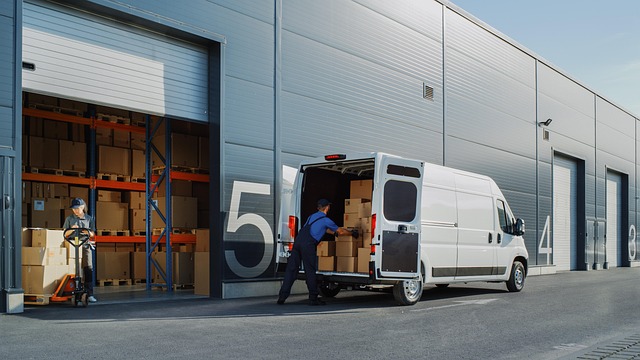
Integrating Safety Measures
Safety is a critical aspect in any warehouse as inventory and storage solutions become more complex.
Tailored storage systems should include features such as secure shelving, weight limits, and proper spacing to prevent accidents. Employee training and clear signage play a role in guaranteeing safe practices.
By combining thoughtful design with safety protocols, warehouses can protect personnel, inventory, and maintain high operational standards.
Tailored storage systems are no longer a luxury, they are a necessity for growing warehouses seeking efficiency, scalability, and safety.
By understanding operational needs, maximizing space, incorporating automation, and planning for future growth, businesses can create storage solutions that support long-term success.
Investing in customized systems improves productivity and reduces costs, improves workflow, and guarantees that the warehouse remains an integral part of business operations.