Home exteriors shape daily comfort, visual appeal, and durability. The choices made for surfaces, structural features, and protective elements influence how a property performs through changing seasons. A thoughtful approach blends beauty with practicality, creating a setting that supports both style and strength. The ideas below explore ways to raise exterior quality without losing sight of comfort and security.
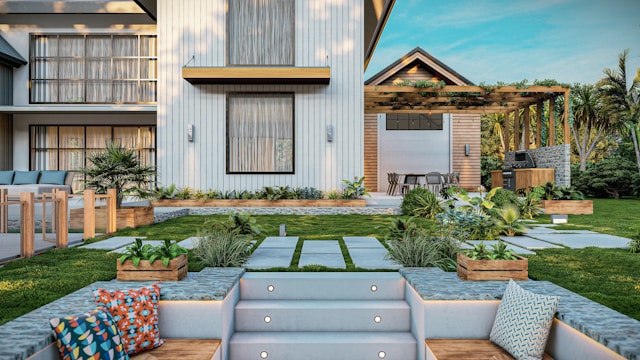
Roofing Choices That Protect And Refine Curb Appeal
A roof reaches beyond basic shelter, guiding the way moisture exits, controlling heat movement, and forming a large share of a home’s visual character. Materials vary in strength, texture, and longevity. Many homeowners weigh performance and looks at the same time, and the middle of that balance often includes help from partners such as Capstone Roofing with guidance that supports both function and style. The right roofing system can steady interior temperatures, guard against strong winds, and shape the personality of the entire property.
A few factors shape roofing decisions:
- The weight of the material and whether the frame can support it
- Heat absorption and reflection
- Repair needs across the years
- Color consistency and how it pairs with siding and trim
- Suitability for local climate conditions
Siding Decisions That Support Durability And Style
Siding acts as the skin of the home, facing sun, wind, and temperature swings day after day. Material selection guides the level of upkeep required, the visual tone, and the protective qualities that shield interior spaces. Fiber cement, vinyl, engineered wood, natural wood, metal, and stone veneer each bring distinct properties. Fiber cement stands up to heat and moisture variation with steady reliability. Vinyl offers wide color availability and little routine care. Engineered wood bridges natural charm with improved weather protection. Metal panels lean modern, and stone veneer lends depth and texture to key accents.
Color choice shapes the mood of the home exterior. Light shades reflect more sunlight and create crisp, open appearances. Darker tones ground the structure visually and create contrast when paired with lighter trim. Saturation levels can shift a house toward a bolder look or a softer, calmer feel. Architectural style often guides whether smooth siding, shingle siding, board and batten, or mixed textures make the most sense.
Exterior Lighting That Supports Safety And Atmosphere
Lighting has a dual purpose: to guide movement safely and to shape the character of the space after sunset. Placement matters as much as brightness. Path lights lead visitors along walkways without harsh glare. Overhead fixtures near entry points give a welcoming feel while providing visibility for keys, locks, and steps. Wall-mounted lanterns add height and rhythm across the facade.
Soft, warm-toned bulbs along seating areas create a pleasant setting for gathering. Cool-toned lights near driveways or garages sharpen visibility for nighttime arrivals. Balance comes from avoiding over-lighting or under-lighting. Fixtures should support natural movement patterns rather than distract from them.
Hardscape Features That Support Stability And Flow
Hardscape surfaces shape the way people move around the home exterior. Walkways, patios, steps, and driveways guide transitions between entry points, garden areas, and gathering spots. Materials shape both safety and visual tone. Concrete offers a steady footing and flexible finishing; it can be brushed for texture or stamped for detail. Pavers give strong traction and create patterns that suggest order and rhythm. Natural stone brings irregular forms that produce visual interest and a grounded aesthetic.
Spacing and sizing influence how comfortable these areas feel. Pathways that allow two people to walk side by side reduce crowding and lend a welcoming sense of openness. Steps with wide treads allow comfortable footing. Patios sized to accommodate furniture without forcing tight circulation build usability into the design.
Outdoor Living Areas That Support Comfort And Visual Unity
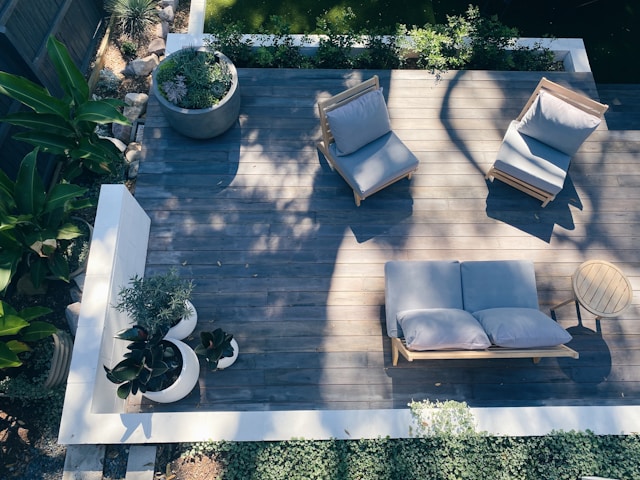
Outdoor living zones expand the usable space of the home, giving families and guests places to gather, relax, or dine. Patios, decks, porches, and pergola-covered seating areas each offer distinct advantages. Decks bring elevation and views. Patios stay grounded and create a smooth flow with adjacent hardscape and plantings. Covered porches add shelter from the sun and rain. Pergolas provide partial shade that softens light and defines a cozy space.
Shade elements improve comfort during warm seasons. Pergolas, canopy sails, tall shrubs, and adjustable umbrellas all contribute to better temperature control. Rugs designed for outdoor use add visual warmth and define seating zones. Planning for airflow supports comfort during warm evenings and reduces lingering heat on sunny afternoons.
Security Features That Strengthen Safety And Peace Of Mind
Exterior security blends subtle elements with direct protective measures. Solid doors with quality locks form the first barrier. Windows with strong frames and secure latches offer peace during nighttime and vacations. Motion-activated floodlights near access points strengthen awareness and discourage unwanted activity. Cameras placed at logical sightlines record movement and create a sense of watchfulness.
A well-planned exterior blends practicality with visual interest, creating a setting that welcomes residents and visitors throughout the year. This thoughtful balance supports daily living and strengthens the sense of pride that comes from a well-designed property.