Everyday environments contain many risks that most people ignore until an accident happens. From busy sidewalks to cluttered homes, hazards can appear suddenly and cause significant injuries.
Know where these dangers come from to recognize them early and respond more safely. Take a closer look at the most common causes of injury, and people can make better choices that reduce preventable accidents.
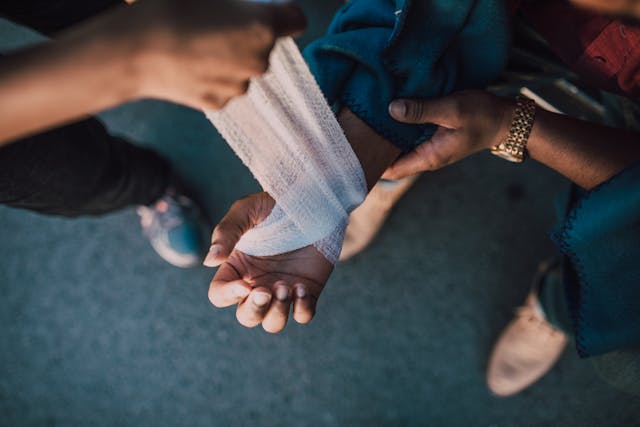
Vehicle-Related Dangers Beyond Driving
Injuries involving vehicles do not occur only behind the wheel: they affect passengers, cyclists, and people who move near traffic. Sudden door openings, obstructed bike lanes, and inattentive drivers contribute to collisions that cause serious harm. Weather conditions such as rain or snow can further limit visibility, increasing risks for everyone on the road.
People must remain fully aware of their surroundings. Making eye contact with drivers and using reflective gear can reduce these dangers. Clear communication and shared caution create safer travel experiences.
Distracted Walking and Everyday Technology
Phones, headphones, and mobile devices interrupt awareness and make simple movements far more dangerous than they appear. When pedestrians focus on screens and not their surroundings, they miss approaching vehicles or obstacles on the sidewalk.
People underestimate how quickly a minor distraction turns into a serious accident. Urban areas with heavy foot and vehicle traffic amplify this risk during commute hours or at busy intersections. If the pedestrian accident happened due to the driver’s negligence, seek specialized professionals like Gay Chacker & Ginsburg attorneys, who understand how serious such injuries can be and help secure compensation. Vehicles and pedestrians should pause before checking messages or removing headphones when crossing streets.
Slips and Falls in Public Spaces
Crowded sidewalks, store aisles, and stairways create an environment where slips and falls happen more frequently than many realize. Wet floors, uneven pavement, and poor lighting combine to catch people off guard when they least expect it. These incidents can cause sprains, fractures, and long-lasting mobility issues that require weeks of recovery.
Many assume familiar areas are always safe and fail to adjust their pace or attention. Hazard signs, routine maintenance, and responsible property management can all lower risk. People can stay alert, wear supportive footwear, and report unsafe conditions.
Unsafe Home Environments
Homes contain several hidden hazards that lead to common injuries. Cluttered walkways, loose rugs, and poorly placed furniture create tripping dangers that many people overlook. Bathrooms pose additional risks due to slick surfaces that can become slippery with only a small amount of water.
Inadequate lighting makes obstacles harder to spot during nighttime movement. Consistent maintenance and thoughtful layout decisions guarantee that the spaces where people spend the most time remain safe. A proactive approach prevents injuries and supports long-term well-being.
Sports and Recreational Activity Risks
Athletic activities offer health benefits, but they expose participants to various injury risks. Muscle strains, joint sprains, and impact-related accidents occur when individuals ignore proper warm-ups or exceed their physical limits. Inconsistent use of protective gear increases these dangers in high-contact sports or activities involving speed.
Community sports programs and recreational facilities can promote safety guidelines and offer skill-building resources. Individuals who listen to their bodies and take breaks when needed further reduce their chance of harm. Balanced preparation and mindful participation make athletic experiences safer and more enjoyable.
Workplace Hazards and Improper Training
Work environments contain unique risks depending on the tasks employees perform each day. Jobs that require lifting, repetitive motions, or working near machinery expose workers to strains and accidental injuries when proper technique is missing. Even office settings come with their own hazards: poor posture, cluttered floors, and malfunctioning equipment.
Staff members who do not receive appropriate safety training or lack access to essential protective gear will be at risk of incidents. Employers who prioritize regular instruction and enforce safety protocols prevent these preventable injuries. A culture of shared responsibility keeps workplaces productive and reduces avoidable accidents.
Improper Use of Everyday Tools and Equipment
Household tools, exercise machines, and kitchen appliances contribute to a surprising number of injuries each year. Many incidents stem from rushed decisions or attempts to multitask and use equipment that requires full attention. Misreading instructions or using tools for the wrong purpose further increases risk when sharp or heavy objects are involved.
Regular maintenance and correct storage reduce the chance of malfunction or accidental harm. Staying patient and following step-by-step guidelines helps users stay safe even during routine tasks. People who take these precautions benefit from smoother daily activities with fewer unexpected injuries.

Everyday injuries are more likely to arise from small oversights rather than dramatic events. Recognizing common hazards allows people to make informed choices that protect their safety. With greater awareness and proactive habits, many accidents can be prevented before they cause lasting harm.