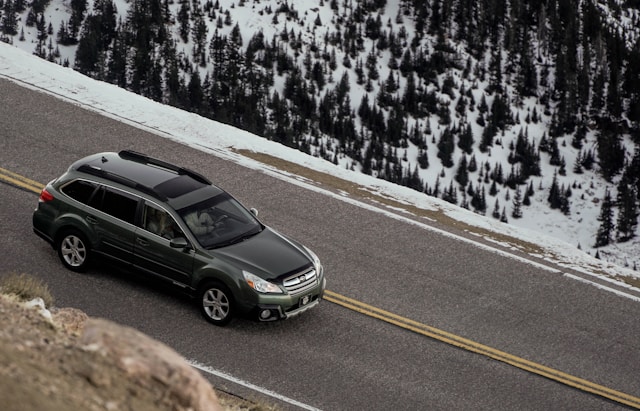
When purchasing tires, drivers tend to only consider the size. Although the right size is important for performance, you shouldn’t neglect to consider other factors, such as your driving habits, road conditions, and even the climate.
Picking the right tires based on the climate is essential for a safe performance. All season tires are the most common choice, and they are ideal for year-round use in moderate climates. Other common types include summer tires for warm weather, winter tires for cold weather, and all weather tires for mixed driving conditions.
On the other hand, you should also consider the performance. For example, high performance tires prioritize speed and handling, while highway tires are designed for smooth and fuel-efficient highway driving. Touring tires offer a balance between comfort, durability, and a longer service life, while off-road tires (all terrain, rugged terrain, mud terrain, and extreme terrain) are ideal for versatile terrain traction.
Driving Style and Tire Choice (daily commute, off-road, long road trips)
Most drivers do not realize that their driving style has a significant impact on the type of tires they should choose. The right set of tires will improve the vehicle’s maneuvering, fuel efficiency, comfort, responsiveness, and the tires’ service life.
Conservative drivers: For drivers who prioritize safety, fuel efficiency, and a longer service life, all season tires are usually the go-to choice. They are ideal for daily commuting in mild weather. Of course, depending on the climate, all weather, winter, and summer tires could be great options, as well.
Thrill seekers: Do you enjoy the thrill of sharp turns and high speeds? Well, you need high performance tires. These tires provide better grip and handling at higher speeds. However, they are also known to wear out faster.
Road trip enjoyers: If you spend a lot of time on highways, you should choose highway tires. They are designed to provide a smooth and comfortable experience during long-distance driving.
Off-road adventurers: For those who enjoy driving on dirt, mud, and rocky surfaces, consider off-road tires, such as all terrain, rugged terrain, mud terrain, or extreme terrain tires.
Factors to Consider Beyond Driving Style (vehicle weight, Tire size, speed rating…)
Beyond the previously mentioned factors, there are a few more things you should consider when shopping for new tires. For example, finding the best place to get new tires is just as important. Once you do, it’s time to choose tires with the right load index, which you can find on the tire’s sidewall, the sticker on the driver-side door jamb, or in your vehicle’s manual.
Why does this matter?
Not paying attention to the tire’s load index can lead to poor performance, faster or uneven wear, and even blowouts. It’s usually recommended to stick with the size and speed rating of your car’s original tires. If you bought a used vehicle, you might want to check the owner’s manual to ensure you have the right tires.
Tire size: The ideal tire size can enhance the vehicle’s performance, including ride comfort, handling, and safety. Choosing the correct size can prevent inaccurate speedometer readings and even improve fuel efficiency.
Vehicle weight: Using a tire with a lower load rating than recommended will lead to premature wear and failure. This will compromise your vehicle’s performance and your safety on the road.
Speed rating: Choosing tires with an inadequate speed rating for your vehicle can lead to safety issues. Tire failure can occur with extensive heat buildup at higher speeds, which can cause blowouts.
Pressure: Whether too high or too low, wrong tire pressure will negatively affect your vehicle’s performance. This can lead to poor traction, a higher risk of blowouts, increased stopping distances, premature and uneven tread wear, and more.

Choosing the Right Tires for Your Needs (importance of understanding driving style, vehicle specifications, and budget)
With so many tire types out there, making the right decision seems like a daunting task, right? Well, it doesn’t have to be. What you should consider are your circumstances and needs.
Here is a quick overview that can help:
Let’s start with your budget. How much can you afford to spend? Although cheap tires seem like a better option for your wallet, that is not really true in the long run. Sure, premium tires have a higher price at the start, but they last longer and require less maintenance, which saves you money.
What is your driving style? This will significantly narrow down your search! Once you have your answer, it’s time to consider the specifics of the tires and your vehicle, which is where the sidewall markings come into play. The great thing about this is that you can find most answers in the vehicle’s manual.
After you determine the appropriate size, load, and speed rating, it’s time to consider environmental factors. Those who live in milder climates often choose all season or all weather tires. But you also have dedicated summer tires for warm climates and winter tires for extreme winter-weather conditions.
Let’s not forget about your driving route and vehicle use, as well. Do you often go on road trips with your family and friends? Choose highway tires, as they are ideal for long-distance highway driving. What if you want to drive through rocky terrains instead? Well, off-road tires are the answer.
Simply put, it all comes down to each individual’s circumstances, budget, and driving style.
Conclusion
Selecting the right tires for your vehicle is not a decision you should take lightly. Good tires will directly impact how your vehicle performs during the drive. They can improve traction, handling, braking, ride comfort, fuel efficiency, and even long-term costs.
That said, if you are still unsure which tires are the right choice for the ideal driving experience based on all the previously mentioned factors, you can always seek advice from qualified car technicians.