A parked car can face unexpected harm from a home’s roof when aging materials, loose attachments, or unnoticed leaks create unsafe situations. A small issue on top of the structure can lead to falling objects, pooling water, or hidden weaknesses that endanger anything below.
Caring for the roof with steady attention helps protect your property and the vehicle you rely on every day. This guide walks through practical repair steps that strengthen the roof’s condition and reduce hazards for any car resting in the driveway or under a carport.

Secure Loose Shingles Before They Fall
Loose shingles can shift, curl, or detach, turning into projectiles that strike your car during windy days. This common problem often begins with wear on the nail line or small cracks that slowly widen, experts from K&D Roofing suggest. Checking the roof’s surface from the ground with binoculars or from a safe ladder setup helps you notice broken edges or missing fasteners early.
When a shingle moves out of place, fastening it back down with roofing-approved nails and sealing its underside with roofing cement creates a firm, protective hold. Replacing severely damaged pieces prevents them from breaking free and landing near your vehicle. A steady habit of scanning for movement on the roof surface lowers the chances of unexpected falls.
Reinforce Flashing to Stop Water Displacement
Metal flashing directs water away from joints, vents, and seams, keeping the structure strong. Weak flashing can lift during storms, sending bits of metal downward or letting water slip into spaces where wood begins to soften. Softening eventually weakens areas close to the edge, increasing the chance of debris dropping onto a parked car.
Pressing loose sections back into place and sealing gaps with a roofing-safe sealant forms a tighter barrier. Replacing corroded strips with new metal pieces gives the roof a stronger hold during heavy rain. A careful check around chimneys, vent stacks, dormers, and transitions between slopes goes a long way toward reducing hazards for anything below the roofline.
Clear Clogged Gutters to Prevent Overflow
Gutters commonly fill with leaves, dirt, and small branches. When this buildup stays in place, water rises and spills over the outer edge of the roof. Spilled water can push debris downward or saturate siding, eventually loosening materials that may drop around your car.
Removing blockages every season helps water flow through downspouts instead of falling unpredictably. Installing guards on top of the channels keeps most clutter out, requiring only occasional rinsing. Straight gutters offer the most stability, so tapping loose brackets back into position keeps them from bending under the weight of trapped material.
Fix Soft Spots and Rot Along the Roofline
A soft spot in the decking signals moisture entering beneath the surface. When rot forms, the edge weakens, and pieces of wood may eventually break free. Cars parked beside the house can suffer from this falling material during storms or snowmelt.
Addressing a soft zone involves lifting the surrounding shingles, cutting away the damaged decking, and replacing it with new plywood anchored tightly to the rafters. Once secured, fresh underlayment and shingles restore the protective layers. Catching rot early helps you avoid larger structural repairs and keeps parked vehicles safe from unexpected collapse at the roof’s perimeter.
Reattach Loose Soffits and Fascia Boards
Soffits and fascia frame and support the roof’s edge, closing gaps that might let pests, water, or wind inside. When these boards loosen, they may fall, sending sharp or heavy pieces toward anything beneath them. Investigating this area from ground level reveals sagging sections or peeling paint that signal weakening.
Refastening the boards with corrosion-resistant screws locks them back onto the structure. A bead of exterior-grade caulk seals the joints, giving added strength. Replacing rotted segments ensures the edge stays firm even in changing weather.
Remove Overhanging Branches Before They Break
Branches that extend above the roof create multiple risks. Leaves pile up, moisture becomes trapped, and twigs collect in gutters, contributing to overflow and shifting weight. More significantly, branches can snap during strong winds, dropping directly onto the roof or your vehicle.
Trimming limbs so they remain a safe distance from the structure protects the shingles and the area below. Cutting back dead or weak sections reduces the chance of sudden breaks. Tree care professionals can handle large limbs safely if the branch extends over the driveway.
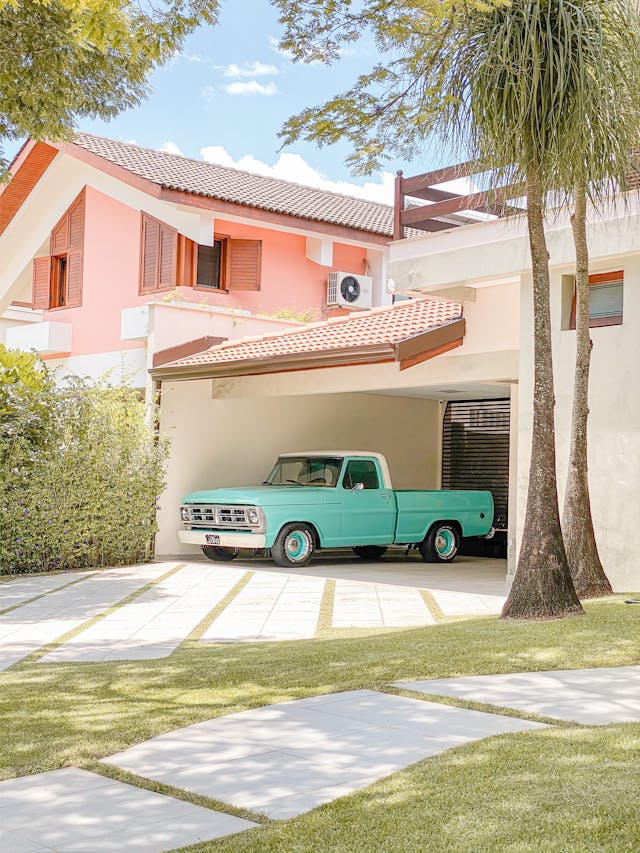
Simple roof care can make a meaningful difference in protecting your parked car from unexpected harm. Small repairs, steady checks, and thoughtful adjustments keep the structure stable and limit falling debris or water displacement. Each step contributes to a safer space below your roof, helping you avoid sudden surprises and costly damage to your vehicle.