A good shop stool can change how a workspace feels and functions. It supports comfort, improves posture, and helps keep tools within reach. Whether used in a garage, workshop, or studio, the right stool can make long tasks easier and more efficient. Choosing a stool with the right features helps create a setup that fits both the job and the person using it.
This article looks at the main features that make a shop stool practical and comfortable. It explains how adjustable height, swivel movement, a strong frame, a padded seat, and built-in storage can improve daily work. Each section focuses on what matters most so anyone can find a stool that works well for their space.
Adjustable Height for Customized Comfort
A good shop stool should let users change the height to match their workspace. Adjustable height helps maintain a natural posture and reduces pressure on the back and legs. A shop stool with wheels can make this even more practical by allowing easy movement between work areas.
Different tasks may require different seat heights. For example, a higher setting fits bench work, while a lower level suits floor-level projects. A stool that adjusts smoothly gives users more control and comfort during long work sessions.
Height adjustment also helps multiple people use the same stool. This flexibility makes it useful in shared garages or workshops. A secure locking mechanism keeps the seat steady once the right height is set.
Some stools include gas-lift levers or screw-thread systems for quick changes. These features add convenience without taking up extra space. Adjustable height turns a simple stool into a more adaptable and comfortable workspace tool.
360-Degree Swivel for Easy Mobility
A 360-degree swivel seat allows users to move freely without standing up or shifting the stool. It helps them reach tools, parts, or equipment from different angles, which saves time and effort during projects. This feature also supports smoother transitions between tasks.
Many shop stools include swivel bases that rotate smoothly on flat surfaces. This design reduces strain on the back and legs because the user can turn easily instead of twisting awkwardly. As a result, it promotes better comfort during long work sessions.
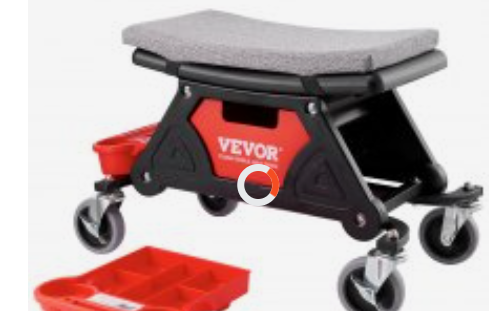
Some models combine swivel seats with caster wheels for greater flexibility. The wheels allow quick movement across the workspace, while the swivel seat maintains control and balance. Together, these features create a stool that supports both mobility and stability in a busy garage or workshop.
Durable Steel Frame for Long-Lasting Use
A steel frame gives a shop stool strong support that holds up under daily use. It resists bending and warping, even under heavy weight. This makes it a dependable choice for workshops, garages, or studios where tools and materials can add extra pressure.
Steel also stands up well to wear and moisture. Unlike wood, it does not rot or attract insects. As a result, a stool with a steel frame can last for years with little upkeep.
Many steel frames use welded joints that keep the structure steady and safe. This design helps the stool stay firm on uneven floors. In addition, powder-coated finishes protect the metal from rust and scratches.
A well-built steel frame gives users confidence that the stool will stay strong over time. It supports both comfort and safety, which makes it a smart feature to consider in any quality shop stool.
Padded Seat to Reduce Physical Strain
A padded seat helps reduce pressure on the hips and lower back. It supports longer periods of sitting without discomfort, which matters for anyone who works at a bench or desk for hours. The extra cushioning spreads body weight more evenly and limits sore spots that can form on harder surfaces.
Good padding also helps maintain better posture. A seat that feels firm yet comfortable encourages the user to sit upright instead of slouching. As a result, it helps reduce muscle fatigue and stiffness in the shoulders and spine.
Materials such as dense foam or vinyl-covered padding hold their shape longer and resist wear. Therefore, they provide steady comfort and support over time. A well-padded seat can make daily tasks easier and help the user stay productive without unnecessary strain.
Integrated Tool Trays for Convenient Storage
A shop stool with an integrated tool tray helps keep tools close at hand. It allows a person to stay seated while keeping sockets, wrenches, and small parts within reach. This setup saves time and reduces clutter on the workbench or floor.
Most trays use metal or heavy-duty plastic that resists rust and wear. Some trays include adjustable dividers or compartments that separate different tools. This feature helps maintain order and prevents small parts from rolling away.
A stool with a swivel seat often pairs well with a circular tray underneath. The user can turn easily to access tools from any angle. This design supports steady workflow and reduces unnecessary movement.
For added convenience, trays with raised edges or magnetic sections help keep items secure. These details make the stool more practical for garages, workshops, or assembly areas. Therefore, integrated trays add both comfort and function to a shop setup.
Conclusion
A good shop stool balances comfort, support, and durability. It should fit the user’s height range, provide a stable base, and include a padded seat for longer work sessions.
Features such as adjustable height, 360-degree swivel, and casters help users move easily and maintain proper posture. A steel frame or heavy-duty construction adds strength for daily use.
Practical additions like tool trays, footrests, and backrests improve convenience and reduce fatigue. Therefore, choosing a stool with the right mix of these features creates a more efficient and comfortable workspace.