Wildlife can be charming when viewed from a distance, but unwanted animal activity around the home can quickly turn into a stressful, damaging, and disruptive experience. From squirrels nesting in attics to raccoons rummaging through garbage or birds blocking vents, wildlife intrusions often escalate before homeowners realize a problem exists.
These encounters can lead to property damage, health concerns, and ongoing disturbances if left unaddressed. Securing your home from wildlife does not require drastic measures. With thoughtful planning and consistent prevention, you can make your property far less inviting to wandering animals.
Taking a proactive approach helps protect both your home and the local wildlife. By making small improvements and paying attention to early signs, you can maintain a safe, comfortable living environment while reducing the risk of unwanted critters settling in.
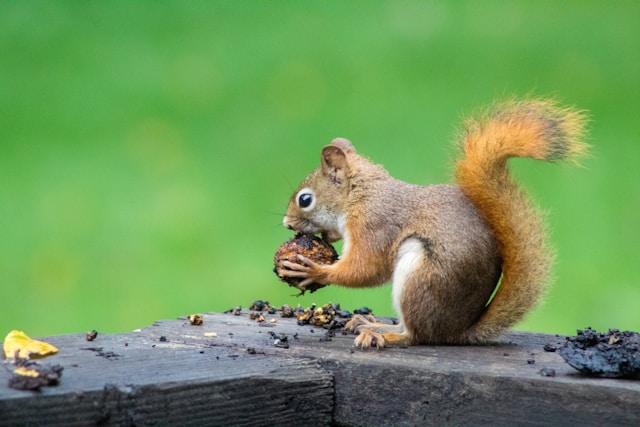
Blocking Entry Points and Addressing Common Access Areas
One of the most effective ways to prevent wildlife intrusion is to identify and close off entry points. Squirrels, mice, raccoons, and small birds can fit through surprisingly small openings. Gaps along the roofline, damaged screens, loose siding, and openings around plumbing or wiring create easy pathways into your home. Regularly inspecting these areas helps you catch vulnerabilities before animals take advantage of them.
If signs of activity have already appeared, such as scratching noises, insulation damage, or droppings, professional help may be necessary. Many homeowners rely on squirrel removal services in La Crosse and similar experts who specialize in safely removing animals and sealing entry points. Professionals remove the wildlife and identify how they entered, ensuring long-term prevention.
Managing Food Sources and Outdoor Attractants
Food is one of the biggest motivators for wildlife. When your yard provides easy meals, animals will keep coming back. Securing trash cans with tight-fitting lids prevents raccoons and other scavengers from accessing food scraps. Compost piles should be covered, and fallen fruit from trees should be picked up promptly to avoid attracting pests.
Pet food is another common attractant. If you feed pets outdoors, be sure to bring dishes inside after meals. Even small leftovers can draw unwanted attention from wildlife. Bird feeders, while enjoyable, can bring squirrels and other animals closer to your home. Using squirrel-proof feeders or placing them farther away reduces the likelihood of animals approaching your house directly.
Cleaning outdoor eating areas helps, too. Food residue on grills, crumbs on patios, and unwashed furniture all provide enticing scents. A quick wipe-down after use makes your outdoor space less appealing to critters.
Maintaining Yard Cleanliness and Reducing Shelter Opportunities
Overgrown yards, piles of debris, and cluttered outdoor spaces create ideal hiding places for wildlife. Leaves, brush piles, stacked wood, and unused equipment offer shelter and nesting opportunities. Clearing these items helps eliminate the small refuges animals rely on.
Keeping grass trimmed and bushes pruned improves visibility and removes natural cover. Wildlife tends to avoid open areas where they feel exposed to predators, so a well-maintained yard discourages their presence.
Securing Structural Features That Invite Wildlife
Certain parts of your home naturally attract wildlife if not properly maintained. Warm attics, sheltered crawl spaces, and vent openings provide animals with excellent nesting conditions. Taking a closer look at these structural features can reveal potential risks.
Foundation vents should be covered with sturdy metal grates. Dryer and bathroom vents benefit from exterior covers that prevent birds from building nests inside. Chimneys should be fitted with caps to stop raccoons or birds from entering. Even small cracks around the foundation can allow mice to slip inside, so sealing these gaps is crucial.
Using Natural Deterrents To Keep Wildlife Away
Natural deterrents offer a gentle but effective method for discouraging wildlife. Strong scents, motion-based devices, and sound deterrents can help keep animals at a distance without harming them.
Citrus peels, peppermint oil, and vinegar discourage rodents and squirrels. Placing these scents around vulnerable areas offers a non-toxic option for keeping critters away. For larger wildlife, motion-activated sprinklers or lights create sudden movement that startles animals and encourages them to avoid the area.
Staying Proactive With Regular Inspections and Professional Support
Securing your home from wildlife is an ongoing effort. Even well-maintained homes can develop new vulnerabilities due to weather, aging materials, or seasonal changes. Conducting regular inspections, both inside and outside, helps catch early warning signs before animals move in.
Listening for unusual noises, checking for chewing marks, and looking for disturbed insulation help identify activity early. At the same time, routine roof, gutter, and siding checks improve your awareness of developing issues.

With consistent prevention and careful maintenance, homeowners can significantly reduce the likelihood of unwanted wildlife entering their property. By sealing entry points, managing food sources, maintaining the yard, and using deterrents, you safeguard your home’s structure and create a more peaceful environment.