Modernizing older building systems is essential for improving energy efficiency, enhancing comfort, and ensuring safety. Many buildings rely on outdated technology, leading to higher operational costs and less effective performance. Upgrading these systems can mitigate risks, lower expenses, and align building operations with current standards and regulations. Building owners and managers face the challenge of deciding where to invest their resources to achieve the best return. This guide explores various aspects of upgrading systems in commercial buildings, aiming for an integrated approach that enhances performance.
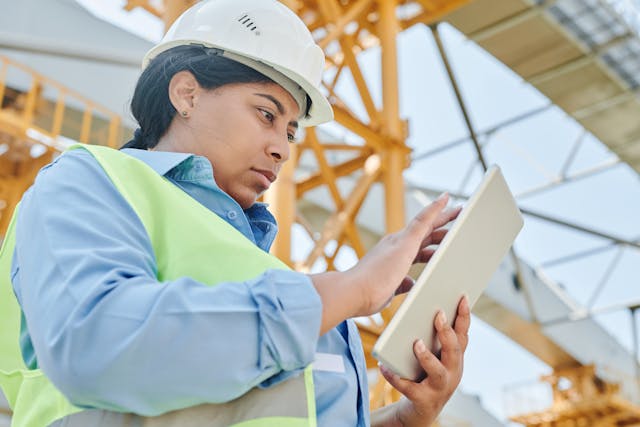
Understanding the Importance of Upgrades
Older building systems often fail to meet the demands of modern occupants, leading to inefficiencies and dissatisfaction. Infrastructure, including HVAC systems, lighting, and elevators, can degrade over time, impacting energy consumption.
Research indicates that aging buildings can consume significantly more energy than their modern counterparts, with estimates suggesting differences of up to 30%. These inefficiencies affect occupant comfort, air quality, and productivity. Regular upgrades help ensure that buildings save on energy costs and provide healthier environments for occupants. When properly integrated, upgrades can provide enhanced functionality without compromising aesthetics.
Investing in modern technology prepares buildings for future advancements, ensuring longevity and relevance in an ever-evolving market. Investing strategically can secure a favorable impact on a building’s market value and improve tenant retention rates.
Key Areas for Upgrading
Focusing on specific areas within a building can yield significant performance improvements. HVAC systems are often the first candidates for upgrades. Outdated units can consume excessive energy due to inefficiencies in heating and cooling.
Smart thermostats and automation enable better energy management, reducing expenses while improving comfort. Updating electrical systems enhances building performance. Many older systems may not support the growing demand for power as technology advances, necessitating a review for potential upgrades.
Lighting is another critical area, and implementing energy-efficient bulbs and adaptive lighting systems can dramatically decrease electricity consumption and improve the visual environment. Elevators require attention, and regular elevator maintenance, repair services, or a comprehensive modernization plan are essential for safe and efficient building operations. Leverage advancements in technology to enhance performance and operational safety.
Impact of Technology on Building Performance
The rise of smart technology is fundamentally changing how buildings operate. Automation and IoT (Internet of Things) devices can monitor energy use, detect issues, and even predict maintenance needs. For commercial buildings, this means adapting to technology that encourages efficient resource usage.
Smart sensors integrated with HVAC systems can lead to significant savings by adjusting temperatures based on occupancy. According to a study, facilities using smart technology reported reductions in energy usage by as much as 20%. These advancements offer efficiency improvements while enhancing occupant satisfaction.
Properly implemented technology informs maintenance strategies, allowing teams to operate proactively. Owners face lower monthly costs and extended lifespans of critical systems. Together, these benefits create a compelling case for modern upgrades.
The Role of Sustainability in Upgrading Systems
As sustainability becomes standard in building codes, integrating eco-friendly practices into upgrades is more important than ever. Efficient systems reduce energy consumption, leading to lower carbon footprints.
Implementing green solutions such as solar panels, energy-efficient HVAC systems, and sustainable materials can significantly affect operational costs and environmental impact. According to the U.S. Department of Energy, upgrading to energy-efficient equipment can save commercial buildings approximately 30% in energy costs.
Many occupants prefer workplaces that prioritize sustainable practices, as it enhances their corporate social responsibility image. Emphasizing sustainability in building upgrades meets regulatory requirements and can lead to retention of tenants and higher occupancy rates.
Financing and Planning for Upgrades
Budgeting for upgrades requires strategic planning and decision-making. Owners often grapple with the costs associated with renovations while trying to secure financing options that best suit their needs.
Understanding the full scope of potential savings from upgrades can help justify the initial investment. Many energy service companies offer financing programs that allow for immediate upgrades with costs paid back over time through energy savings. Tax incentives are available for energy-efficient improvements, offering a financial cushion to offset costs.
Planning renovations systematically aids in minimizing disruptions to operations. Integrating upgrades during scheduled maintenance or during off-peak times ensures that both performance and business continuity remain intact.
The Future of Building Management
As building technologies continue to evolve, adapting to future management practices becomes essential. The concepts of predictive maintenance and data-driven decision-making will play critical roles in sustaining building performance.
Investing in training for staff can equip them with the skills needed to manage these emerging technologies efficiently. It is vital for building managers to stay informed about advancements in equipment and regulations affecting the industry. As performance standards rise, so does the competitive landscape.
Facilities integrating modern upgrade practices will enhance operational efficiency and attract higher-value tenants looking for quality environments. Building performance will increasingly hinge on the successful integration of new technologies with traditional practices.
Upgrading older systems holds tremendous potential for improving building performance. From enhancing efficiency to ensuring occupant satisfaction, the benefits are numerous. By adopting modern technologies, focusing on sustainability, and investing wisely in renovations, building managers can secure both immediate results and long-term value.