Home makeover projects can breathe new life into a property, adding comfort and value. Many homeowners embark on these transformations with excitement, eager to modernize spaces or bring long-imagined ideas to life. Without the right planning and attention to detail, even well-intentioned makeovers can turn stressful and expensive.
Missteps during renovation are common, from rushing through planning to overlooking small but impactful details. Learning what to avoid before starting can make the process smoother and the outcome far more rewarding. By being aware of these frequent mistakes, homeowners can approach their projects with confidence and clarity.
Skipping Proper Planning and Budgeting
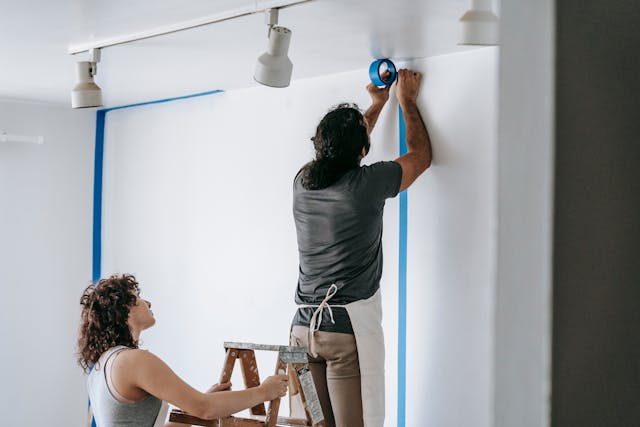
Many homeowners dive into a renovation with excitement but without a clear plan or budget, which can quickly lead to frustration and overspending. Consulting expert builders for complete renovations can provide valuable guidance on realistic timelines, cost estimates, and the resources needed for each stage. Without a detailed plan, it’s easy to overlook important steps or underestimate material costs, resulting in unexpected delays and financial strain.
Breaking the project into phases and setting a clear budget with a contingency fund helps maintain control and reduce stress. Thoughtful preparation ensures that the makeover progresses smoothly and delivers the results envisioned from the start.
Choosing Low-Quality Materials
Homeowners often try to cut corners by purchasing cheaper materials, thinking it will save money. This decision can backfire when those materials wear out quickly or require frequent maintenance. Selecting durable, high-quality options is always the smarter long-term choice. Solid hardwood or engineered wood flooring lasts significantly longer than cheaper laminate alternatives.
Investing in reliable paint, fixtures, and hardware improves the look and lifespan of a renovation. Even small upgrades, like opting for better caulking or more resilient tiles, can influence how well the makeover holds up. Short-term savings rarely outweigh the cost of future repairs or replacements.
Ignoring the Importance of Lighting
Lighting can dramatically influence the mood and functionality of any space, but it’s often an afterthought in many home projects. Poor lighting placement or insufficient light sources can make even beautifully designed rooms appear dull or uncomfortable. A balanced lighting plan should include ambient, task, and accent lighting.
For example, layering overhead fixtures with wall sconces or floor lamps can create a warm, inviting atmosphere. Natural light should be maximized through well-placed windows or reflective surfaces. Homeowners who treat lighting as a design priority rather than a final touch tend to achieve more polished and practical results.
Neglecting Structural and Hidden Issues
Focusing on aesthetics without addressing underlying problems can lead to significant regrets later. Many people overlook plumbing leaks, electrical faults, or weakened foundations when renovating, choosing to concentrate on visual upgrades. Ignoring these issues may lead to costly repairs that undo all the decorative work done.
Before starting any cosmetic improvements, a professional inspection can reveal what needs fixing beneath the surface. Addressing these foundational matters ensures the home remains safe, efficient, and compliant with local regulations. No amount of fresh paint or new furniture can compensate for unresolved structural concerns that compromise a property’s integrity.
Overlooking Functionality in Design Choices
A common pitfall during makeovers is focusing too heavily on style at the expense of usability. A home should be beautiful and functional, but trendy designs often sacrifice practicality. Open shelving may look appealing, but it can quickly collect dust or clutter.
Oversized furniture can limit movement, while poor kitchen layouts can make cooking cumbersome. Before committing to a design, homeowners should consider how each choice supports daily routines and comfort. Consulting with a designer or architect can help balance aesthetics and functionality, ensuring the final result enhances living quality and visual appeal.
Doing Too Much at Once
Renovations can be exciting, but attempting to tackle every project simultaneously is rarely a good idea. Managing multiple areas increases stress, stretches resources thin, and makes it harder to track progress. A phased approach allows homeowners to focus on one section at a time, maintaining better control over quality and cost.
Completing the kitchen remodel before moving to the bathroom helps maintain order and minimizes disruption. This method allows for adjustments based on lessons learned during earlier stages. A more measured pace results in fewer mistakes and a more cohesive finish.
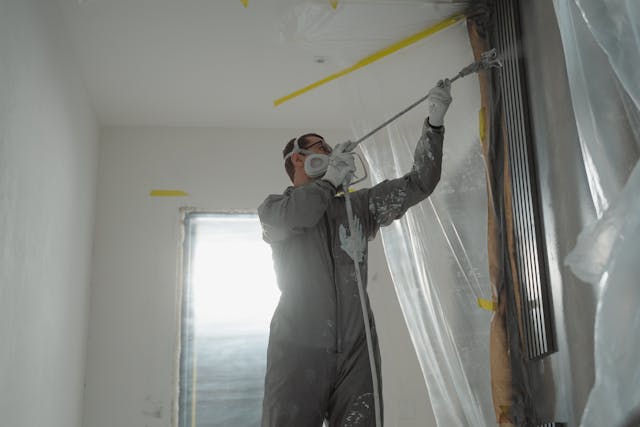
A successful home makeover depends as much on avoiding common mistakes as it does on creative vision. Proper planning, quality materials, good lighting, and attention to structure and functionality all play vital roles in achieving lasting results.
Taking the time to prioritize each step and manage expectations helps prevent costly setbacks. When homeowners approach renovations with patience, research, and thoughtful decision-making, they can turn their spaces into comfortable, well-designed environments that truly reflect their needs and style.