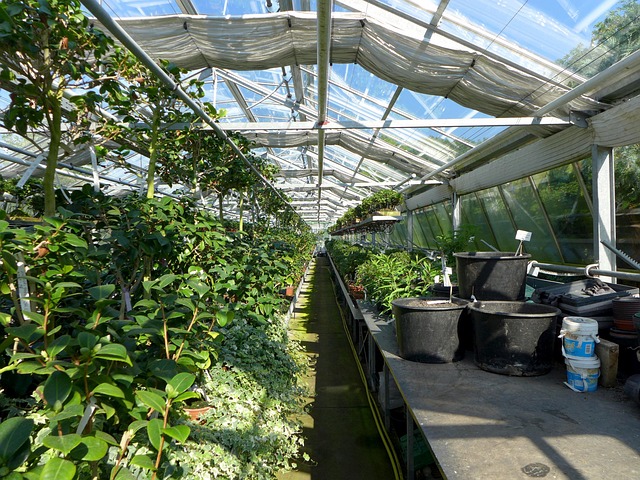
Greenhouses have transformed the landscape of food cultivation by providing controlled environments that can yield produce year-round. This innovation addresses food scarcity issues and serves as a powerful educational tool and community focal point.
Through greenhouses, communities can come together to learn about sustainable practices, engage in local food production, and inspire a new generation of environmentally conscious individuals. As agriculture faces challenges from climate change and urbanization, understanding the pivotal role of greenhouses in community dynamics is imperative.
Providing Fresh Food Year-Round
One of the primary benefits of greenhouses is their ability to provide fresh produce irrespective of the season. Traditional farming is often limited by climatic conditions, leading to seasonal shortages. Greenhouses create a microclimate in which a variety of crops can thrive throughout the year.
Studies show that greenhouses can produce up to 30 times more food per square foot than traditional farming. This efficiency addresses food deserts, areas with limited access to fresh fruit and vegetables, by providing fresh food directly to urban and rural communities alike. With the advent of four-season growing greenhouses, the potential for local food production has expanded significantly. These structures allow communities to cultivate crops that would typically be unavailable due to climatic constraints. Families and individuals who participate in greenhouse gardening foster a greater appreciation for food sources while contributing to local food systems.
Educational Opportunities
Beyond food production, greenhouses serve as vital educational platforms. Schools and community organizations often use greenhouses to teach students about horticulture, biology, and sustainability. Through hands-on experiences, children learn how plants grow and the science behind photosynthesis and ecosystems.
Programs such as these have found that students engaged in gardening and greenhouse work score better academically in science subjects. The lessons learned extend beyond academic performance, instilling a sense of responsibility and stewardship towards the environment.
Adults can benefit from educational workshops hosted within greenhouses. Topics may include organic gardening, composting, and urban agriculture practices. This opportunity for lifelong learning fosters community engagement and allows participants to apply sustainable practices to their own lives. The accessibility of this knowledge in a community setting is invaluable, particularly for those looking to improve food security and sustainability in their households.
Cultivating Community Engagement
Greenhouses draw individuals to learn and serve as community hubs where members work together towards common goals. These spaces are often designed as multi-use facilities, hosting events that bring people together. Community planting days and harvest festivals foster camaraderie, creating bonds that reinforce community ties. Places where people engage in collaborative activities report higher community satisfaction levels. This engagement leads to a stronger sense of belonging.
Greenhouses address food insecurity by providing food and job training opportunities. Participants can learn skills related to agriculture, administration, and marketing. As these individuals develop proficiency, they become vital contributors to the local economy, enhancing community resilience. When people feel a part of something bigger, they are more likely to invest in their communities, further amplifying the effects of greenhouse initiatives.
Inspiring Future Generations
Greenhouses hold immense potential for inspiring future generations. Through environmental stewardship and hands-on engagement with nature, children exposed to greenhouse activities are more likely to develop eco-conscious values. As they witness the lifecycle of plants from seed to harvest, they gain a tangible understanding of where their food comes from. This connection reinforces the importance of sustainable practices and encourages them to advocate for environmental issues.
Many successful programs integrate youth into greenhouse operations, empowering them to take on leadership roles. By cultivating skills in responsibility, teamwork, and problem-solving, young individuals leave with more than just practical knowledge. They build self-confidence. This empowerment is crucial as they grow into adults who will one day make decisions affecting their communities and the planet.
Addressing Climate Change
As climate change continues to impact food systems worldwide, greenhouses offer viable solutions. They can significantly reduce the environmental footprints of farming by minimizing land use and conserving water. Greenhouses optimize water usage with advanced irrigation techniques, ensuring the efficient use of this precious resource. Well-designed structures can utilize renewable energy sources, further decreasing greenhouse gas emissions associated with food production.
A pivotal aspect of promoting sustainability is education about these innovations. By integrating sustainable technologies and practices into greenhouse designs, communities can lead the way towards an environmentally friendly future. Greenhouses can become testbeds for the latest in agricultural research, showcasing methods that other regions can adopt in the fight against climate change.
Suppressing Food Waste
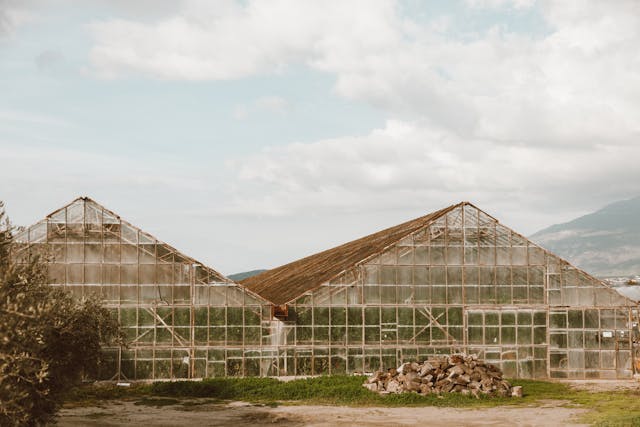
Food waste is a significant problem globally, with millions of tons discarded each year. Greenhouses can help mitigate this issue by offering localized solutions for food preservation and distribution. By encouraging communities to grow food closer to where they consume it, the chance of surplus produce going to waste decreases significantly. Local markets and community-supported agriculture programs often partner with greenhouses to ensure that surplus items reach those who need them, thus reducing waste in the process.
Educational components within greenhouse programs often include lessons on proper food storage and preservation techniques, teaching participants how to make the most of their harvests. This practice benefits individual households and creates awareness about food security challenges on a larger scale.
The impact of greenhouses extends far beyond merely providing food. They feed, educate, and inspire communities to foster a sustainable future. Through these vital infrastructures, communities can cultivate produce, engage in educational initiatives, build stronger ties, and tackle pressing issues like climate change and food waste. As we look for innovative solutions to global challenges, greenhouses stand as a beacon of hope, demonstrating that collaboration and community spirit can lead to a healthier, more sustainable world.