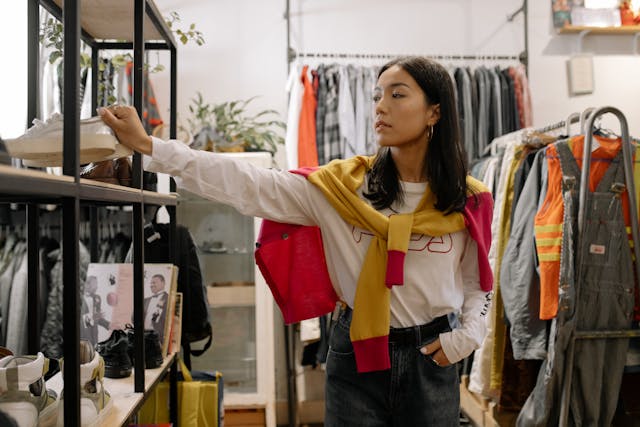
The trend of buying second-hand items has surged, marking a significant shift in consumer behavior. With increasing awareness of sustainability, economic sensibility, and the desire for unique items, shoppers are turning to pre-owned goods more than ever. From clothing and electronics to furniture and accessories, second-hand markets are thriving. This article explores the various reasons behind this phenomenon, examining how this trend benefits personal wallets and contributes positively to the environment. Understanding the motivations behind this movement provides insight into modern consumer behaviors and preferences.
Sustainability and Environmental Impact
The growing emphasis on sustainable practices is a prime reason for the uptick in second-hand purchases. Consumers are becoming increasingly aware of the environmental damage caused by fast fashion and consumerism. Buying used items significantly reduces waste, as it keeps perfectly functional products out of landfills. According to a 2019 report by the Ellen MacArthur Foundation, extending the life of clothing by just nine months reduces its carbon, water, and waste footprints by around twenty to thirty percent.
Second-hand shopping often uses fewer resources compared to manufacturing new products. Each time a consumer opts for a pre-owned item, they make a conscious decision that supports a more sustainable approach to consumption. As initiatives like thrift stores and online resale platforms become more mainstream, they help cultivate a culture that values recycling and reusing goods rather than discarding them.
Economic Efficiency
Another major driver for the popularity of second-hand items is the economic advantage they provide. In an era where financial prudence is increasingly important, shoppers are looking for ways to cut costs without sacrificing quality. Second-hand marketplaces offer a treasure trove of opportunities for obtaining high-quality products at a fraction of their retail price.
Thrift stores and online marketplaces allow consumers to stretch their budget further. An interesting statistic from ThredUp indicates that the average consumer can save approximately $1,000 a year by choosing thrift and second-hand items over new purchases. Realizing substantial savings can be highly appealing, especially for families or individuals looking to manage expenses more effectively.
Unique Finds and Personal Style
The thrill of discovering unique items is another compelling factor driving the popularity of second-hand shopping. Many consumers appreciate the individuality that comes with owning pre-owned items. Unlike mass-produced products, second-hand goods often possess a history, character, and flair that reflect a distinct personal taste. Vintage clothing and accessories can set a personal style apart from the mainstream.
Many fashion enthusiasts seek to find special pieces that speak to their identity, allowing them to stand out without conforming to the latest trends. Places like thrift shops and online platforms offer access to rare finds, such as those where you can discover classic secondhand Boston handbags, renowned for their timeless designs, which are rarely found in modern retail stores. Curating a wardrobe or home decor with unique pre-owned items enables individuals to express themselves authentically.
Social Responsibility
Many consumers are now seeking ways to align their purchasing decisions with their values. By buying second-hand, shoppers support charitable organizations and local economies. Many thrift stores operate as non-profits, channeling proceeds back into community programs that assist those in need.
This sense of social responsibility is attractive to many, particularly younger generations who keenly support causes like ethical consumerism. When a purchase goes beyond mere acquisition and transforms into a contribution to a charitable organization, it creates a stronger emotional connection. Shoppers take pride in their abilities to promote positive change while remaining financially savvy.
The Rise of Online Resale Platforms
The digital transformation has played a significant role in making second-hand shopping more accessible than ever. Online marketplaces like Poshmark, ThredUp, and Depop have gained tremendous popularity. This shift allows consumers to browse vast selections without leaving home, making it more convenient than traditional thrift shopping.
With user-friendly interfaces and a diverse range of products, these platforms empower individuals to buy and sell pre-owned items with ease. User reviews and ratings enhance trust in quality, helping buyers feel confident about their purchases. As technology continues to advance, it is likely that the appeal of online resale will only grow.
Changing Perceptions of Second-Hand Items
Historically, second-hand items have been subjected to stigma, often seen as inferior or of lesser quality. However, this perception is rapidly changing. The normalization of previously owned goods is partly fueled by influencers and celebrities who champion thrift shopping as stylish and sustainable.
As a result, many consumers are redefining their views on second-hand products. High-quality brands that previously attracted attention for their luxury items are now breaking into the second-hand market. This change in perception makes it more accepted and desirable for individuals to invest in pre-owned luxury goods. The market is evolving, creating a new appreciation for the advantages of second-hand shopping.

The phenomenon of buying second-hand items has captured global attention for a multitude of compelling reasons. From its positive impact on the environment to its economic advantages and unique appeal, the switch to pre-owned goods offers a fresh approach to consumption. As societal values pivot towards sustainability, individuality, and social responsibility, the practice of shopping second-hand will likely continue to become more mainstream, reshaping the way we view ownership and consumption in the future.