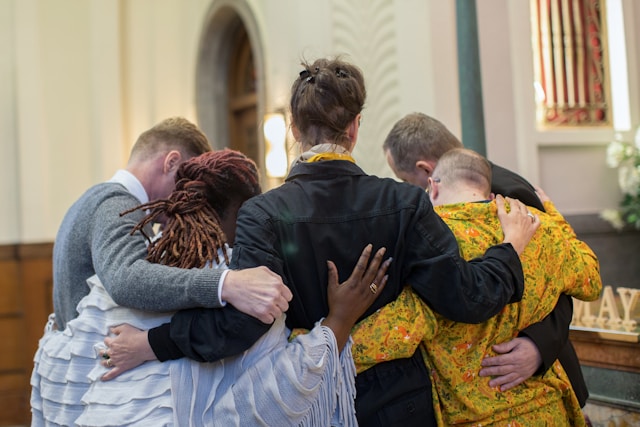
Loss reshapes the rhythm of family life, leaving emotional gaps that feel difficult to fill. During these moments, traditions provide comfort, continuity, and a sense of unity. Families across cultures have long relied on rituals, ceremonies, and shared practices to honor loved ones while strengthening bonds among those who remain. These traditions offer structure in times of uncertainty and create space for healing, reflection, and togetherness.
The Power of Rituals
Rituals create order when grief feels chaotic. Whether formal ceremonies or personal customs, they provide a way to express emotions and mark transitions. Religious services, candle lighting, or moments of silence help families acknowledge loss while honoring the memory of those who have passed.
Even small rituals, such as gathering for a shared meal or displaying photographs, hold significant meaning. These acts encourage connection, reminding families that grief does not have to be carried alone. Rituals reinforce a sense of belonging and shared strength, easing the burden of loss.
Memorial Services and Gatherings
Memorial services remain among the most meaningful traditions after a death. They give family and friends a chance to come together, share stories, and celebrate a life lived.
These services often reflect the personality and values of the loved one, creating a personalized tribute. Families often find comfort in working with a trusted funeral care provider to plan these gatherings. Guidance from experienced professionals helps ensure that the service reflects both tradition and individuality. When handled with care, memorials create opportunities for closure and collective healing.
The Role of Food in Mourning
Food plays a central role in many family traditions during times of loss. Shared meals provide nourishment, but more importantly, they create space for connection. Preparing or sharing food together offers comfort, helps sustain energy, and brings people closer in moments of grief.
Different cultures emphasize food as a symbol of remembrance. Some families prepare the favorite dishes of the departed, while others host communal meals where guests share stories over comforting recipes. These gatherings nourish both body and spirit, strengthening ties during challenging times.
Storytelling as a Tradition
Sharing stories preserves the memory of loved ones and passes their legacy to future generations. Storytelling during wakes, services, or informal family gatherings connects people across ages and experiences. Each retelling highlights values, humor, and lessons that continue to inspire.
This practice creates healing by focusing on cherished moments instead of only the pain of loss. Families that weave storytelling into their grieving process carry their loved one’s memory forward in meaningful ways. It transforms grief into a celebration of connection and continuity. In doing so, storytelling becomes a lasting tribute that keeps love and legacy alive.
Cultural Practices That Unite Families
Different cultures emphasize unique traditions to honor those who have passed. For some, this includes annual remembrance days, while others focus on symbolic gestures such as lighting incense or creating altars. These practices encourage families to pause, reflect, and reconnect.
Cultural traditions remind families that they belong to something larger than themselves. They provide a sense of identity and stability in the midst of change. Participating in these practices together reinforces bonds and honors both heritage and memory.
The Importance of Keepsakes
Objects carry emotional value that can comfort families during grief. Jewelry, letters, photographs, or heirlooms often become keepsakes that hold deep meaning. Passing these items from one generation to the next strengthens family identity and keeps memories alive.
Creating new keepsakes, such as memory books or personalized artwork, allows families to preserve stories in lasting ways. These tangible reminders help individuals feel connected, even as time moves forward. Keepsakes ensure that traditions of remembrance remain part of family life.
Modern Adaptations of Tradition
While traditional practices remain important, modern families often adapt them to reflect contemporary life. Online memorial pages, video tributes, and virtual gatherings allow people separated by distance to participate. Technology now complements traditional customs, making remembrance more accessible.
These modern approaches blend old and new, ensuring that traditions remain relevant and meaningful. Families that adapt rituals to their circumstances maintain unity and find comfort in shared connection, regardless of physical location.
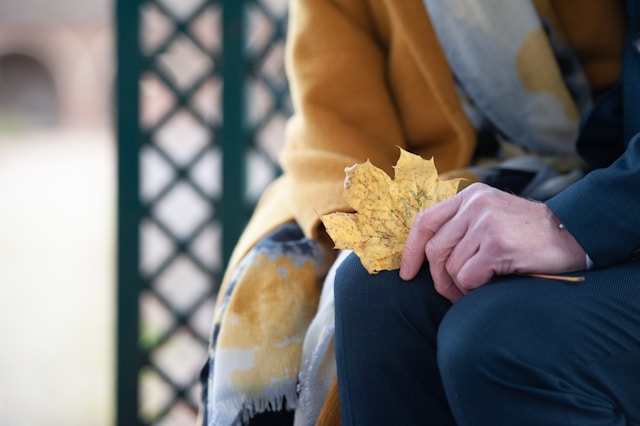
To sum it up, traditions offer guidance and comfort during life’s most difficult moments. From rituals and memorial services to storytelling, food, and keepsakes, these practices strengthen bonds and provide meaning in times of loss. Cultural customs and modern adaptations alike remind families of their shared history and connection. With the help of supportive communities and compassionate professionals, families find ways to honor loved ones while healing together. Traditions preserve memory and nurture unity, ensuring that love continues to guide families through grief. Thank you for reading, and good luck!