Looking after a home means watching the sky more than you might think. Most people only look up at their roof when a leak starts dripping onto the floor. By then, the weather has likely been working against the structure for months or years. Your roof is the primary shield against every season, and each one brings a unique set of challenges that can wear down even the toughest materials.
The Heat Of Summer Sun
High temperatures do more than just make the attic feel like an oven. When the sun beats down on shingles for hours, the material can reach extreme heat levels. This constant exposure causes the shingles to expand and eventually lose their flexibility. One report found that summer heat causes shingles to expand, which leads them to crack, warp, or curl over time.
If you notice your roof looks uneven or the edges of the shingles are lifting, heat might be the culprit. It is a good idea to go now and find storm damage roof repair services to address these issues before the next rain. Early detection of heat stress can save you from a full replacement later.
Rain And Heavy Storms
Water is the most common enemy for any residential structure. Heavy rain can find the smallest gap in a flashing or a tiny crack in a shingle. Once water gets underneath the outer layer, it begins to rot the wooden decking that holds everything together.
- Clear out your gutters every spring and fall.
- Check for missing shingles after every major wind event.
- Look for dark spots on your ceiling inside the house.
Pitched roofs shed water more effectively, which is especially important during Arizona’s monsoon rains, according to a recent blog post. Even if you do not live in a desert climate, the lesson is the same. Drainage is the most important factor in keeping a home dry during the wet months.
Hail Damage And Impact
Hail is perhaps the most violent weather event a roof has to endure. Even small hailstones can knock the protective granules off asphalt shingles. These granules are there to protect the material from UV rays. Without them, the shingle will be brittle and fail much faster than normal.
A study on 2024 hailstorms showed that 80% of the buildings in affected villages sustained damage to roofs, facades, windows, or solar panels. This shows how widespread the destruction can be after just one storm. You should check your yard for fallen shingle pieces after any hail event.
Freezing Temperatures And Ice
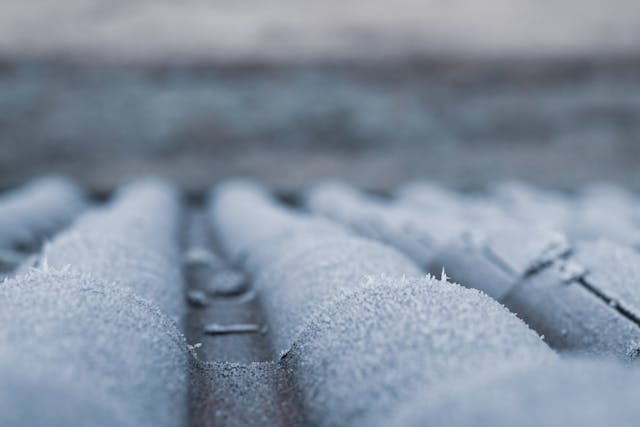
Winter presents a different kind of threat known as ice damming. This happens when heat escapes from the house and melts the snow on the roof. The water runs down to the cold gutters and freezes again. This creates a block of ice that forces liquid water back up under the shingles.
Weight is another concern during the winter months. A heavy layer of snow can put thousands of pounds of pressure on your rafters. If the roof is already weakened by age or previous storms, this extra weight can cause structural sagging. Keeping the attic insulated helps prevent the melting and refreezing cycle that causes so much trouble.
Wind And Flying Debris
Strong winds do not just blow shingles off; they can lift them up without removing them. This breaks the seal of the roofing cement underneath. Once that seal is broken, the shingle is no longer waterproof. High winds also turn tree branches into projectiles that can puncture the roof surface.
Humidity And Mold Growth
In areas with high humidity, moisture stays on the roof surface longer. This creates the perfect environment for algae and moss to grow. While a little green moss might look charming on a cottage, it actually holds moisture against the shingles. This constant dampness leads to premature decay of the roofing materials.
Seasonal Maintenance Tasks
Taking a proactive approach is the best way to handle these weather shifts. You should do a visual inspection from the ground using binoculars twice a year. Look for anything that seems out of place, like bent metal or loose trim. Small fixes are much cheaper than dealing with a collapsed section of the ceiling.
It is also smart to keep trees trimmed back at least 6 to 10 feet from the house. This prevents branches from rubbing against the shingles during windstorms. It also reduces the amount of shade on the roof, which helps the surface dry out faster after it rains.

The best defense against the elements is simply staying aware of what is happening above your head. Every storm and every heatwave is a test for your home. By keeping an eye on the condition of your shingles and gutters, you can stay ahead of the weather. A little bit of attention today prevents a lot of stress tomorrow.