There’s something about spring that makes people want to get outside again. After months of colder weather and shorter days, the arrival of warmer mornings and greener landscapes feels like an invitation to travel.
For many outdoor enthusiasts, that invitation comes in the form of turkey season.
Across the country, hunters pack up their trucks, load their gear, and head toward forests, rolling hills, and quiet rural areas where the mornings begin with birdsong instead of traffic. It’s less about a single destination and more about the journey itself—a road trip built around early mornings, camp coffee, and long days spent exploring the outdoors.
Turkey hunting, in many ways, has always been tied to travel. The birds live in diverse landscapes, and the best experiences often happen far from the routines of everyday life. Whether it’s a weekend getaway or a longer outdoor adventure, the journey becomes part of the tradition.
Why Turkey Season Inspires Travel
Unlike many outdoor activities that take place close to home, turkey hunting often encourages people to travel. Different regions offer different terrain, bird behavior, and hunting styles.
One weekend might involve hardwood forests and quiet creek bottoms. Another might take place in open farmland or rolling hills where visibility stretches for hundreds of yards.
For many hunters, exploring these landscapes is part of the excitement. The experience feels less like a routine outing and more like a small adventure.
Traveling for turkey season also creates a slower rhythm. Instead of rushing through a typical schedule, the day begins before sunrise and unfolds gradually. There’s time to listen to the woods wake up, time to scout new areas, and time to appreciate the scenery in ways that everyday life rarely allows.
The Appeal of the Outdoor Road Trip
Road trips have always held a special place in outdoor culture. There’s a certain freedom in loading up a truck or SUV and heading toward places where cell service fades and the landscape takes over.
The best part is that these trips don’t need elaborate planning. A map, a few pieces of reliable gear, and a sense of curiosity are usually enough.
Along the way, hunters often discover small towns, roadside diners, and quiet public lands that rarely appear in travel guides. These places become part of the story—shared later over coffee or campfire conversations.
In many ways, turkey hunting road trips resemble classic American travel experiences. They combine exploration, outdoor recreation, and the simple pleasure of being somewhere new.
Packing Smart for Outdoor Travel
Anyone who has spent time on the road chasing outdoor adventures knows that packing the right gear makes a big difference.
When space in your vehicle is limited, every item has to earn its place. Hunters often look for equipment that can perform multiple functions without adding unnecessary weight or clutter.
This is one reason why versatile gear has become increasingly popular among travelers and hunters alike. A well-designed vest, for example, can replace multiple bags or storage systems while keeping everything organized.
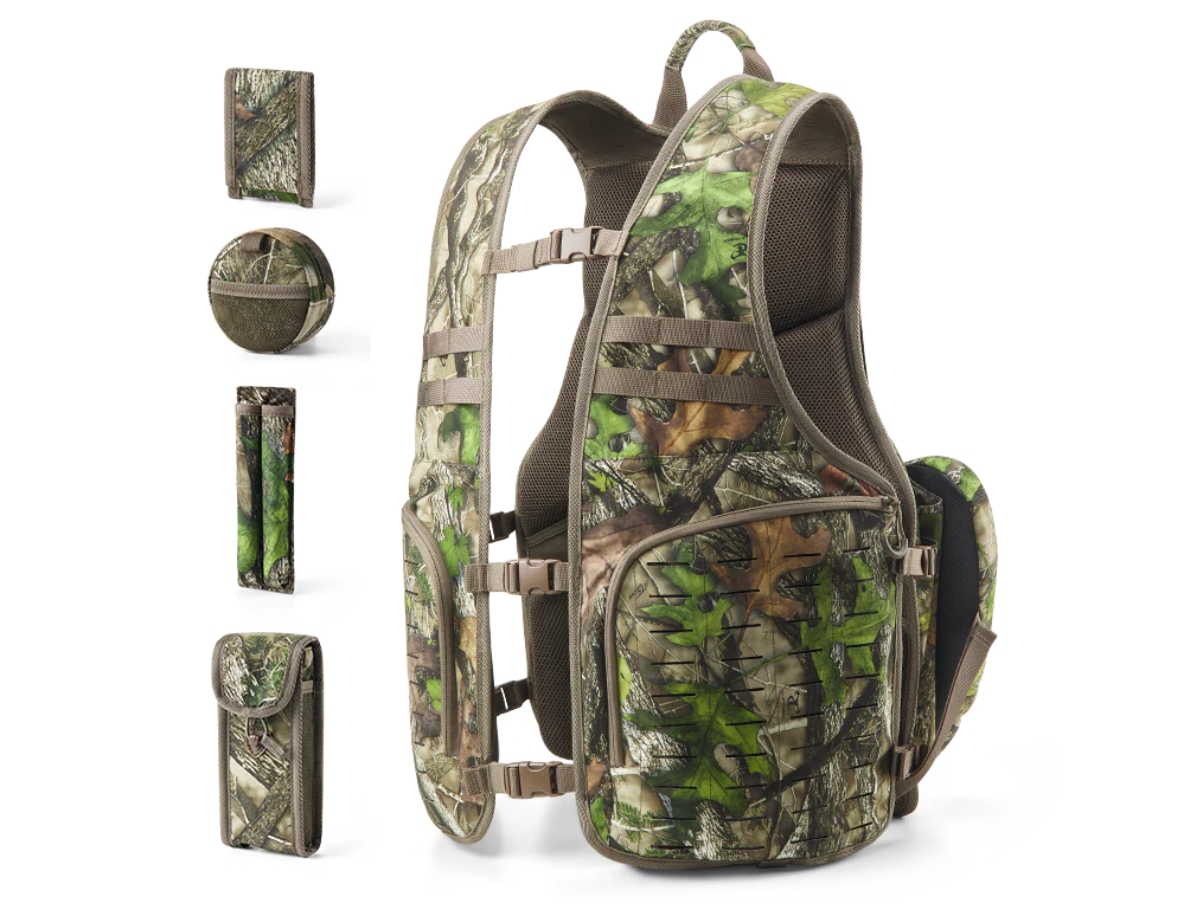
Some hunters prefer setups similar to a realtree turkey vest because it combines camouflage with practical storage and mobility. For travelers moving between locations throughout a trip, gear that stays compact and organized can make the day much easier.
Exploring New Terrain
One of the most rewarding aspects of traveling during turkey season is discovering unfamiliar landscapes.
Every region has its own personality. Some areas feature dense forests and quiet ridgelines, while others open into wide valleys or farmland dotted with old barns and wooden fences.
Walking through new terrain adds an element of exploration that keeps the experience fresh. Even experienced hunters often say that scouting new locations is just as exciting as the hunt itself.
The process usually begins with early morning listening sessions. Hunters settle near likely areas and wait for the unmistakable gobble that signals a bird somewhere in the distance.
Once that sound echoes through the woods, the day’s adventure truly begins.
The Importance of Staying Mobile
Travel-based hunting trips often involve covering more ground than local outings. Hunters might explore several properties or public land areas in a single weekend.
Because of this, mobility becomes an important part of the experience.
Heavy packs or bulky gear can quickly turn an enjoyable walk into a tiring trek. Most experienced hunters prefer equipment that allows them to move quietly and comfortably between locations.
Lightweight gear with built-in storage systems helps reduce the number of separate items that need to be carried. Instead of juggling bags, stools, and loose equipment, hunters can keep everything organized in one place.
Many travelers also prefer turkey vests with seat because they eliminate the need to carry additional seating gear. When moving from one location to another throughout the day, this kind of simplicity becomes surprisingly valuable.
The Quiet Moments That Make the Trip
While the excitement of hearing a gobbler approach is unforgettable, the quieter moments during these trips are often just as meaningful.
There’s the sound of wind moving through trees during a mid-morning hike.
The smell of coffee brewing beside a truck tailgate before sunrise.
The calm feeling of sitting against a tree while the woods gradually come alive.
These small moments create memories that last long after the trip ends.
Travel has a way of slowing things down, especially when it revolves around outdoor activities. Instead of focusing on schedules and deadlines, the day unfolds according to natural rhythms.
Small Town Stops Along the Way
One underrated part of outdoor travel is the small towns you encounter along the journey.
Many hunters make a tradition of stopping at local diners for breakfast before heading into the woods. These places often have their own charm—handwritten menus, friendly conversations, and stories shared between locals.
Gas stations double as informal information centers, where you might hear tips about nearby public land or scenic routes worth exploring.
Even if you’re just passing through, these stops help create the sense that the trip is about more than reaching a destination.
Why Outdoor Travel Keeps Growing
In recent years, more people have rediscovered the appeal of outdoor travel. Instead of crowded tourist destinations, travelers are increasingly seeking quieter experiences in nature.
Activities like hiking, camping, fishing, and hunting offer something many modern vacations lack: simplicity.
Turkey season fits naturally into this trend. It encourages people to visit forests, mountains, and rural landscapes that remain largely unchanged by time.
For many hunters, the trips become annual traditions—opportunities to reconnect with friends, family, and the outdoors.
Making the Most of the Experience
For anyone considering a travel-based turkey hunting trip, a few simple tips can help maximize the experience:
1. Travel light but smart.
Choose gear that serves multiple purposes and keeps your load manageable.
2. Explore new locations.
Public lands and lesser-known areas often provide unique opportunities.
3. Embrace the slower pace.
The best moments during outdoor travel often happen when you’re not rushing.
4. Stay flexible.
Weather, bird behavior, and terrain can all change plans quickly.
Approaching the trip with a sense of curiosity rather than strict expectations often leads to the most memorable adventures.
The Real Reward of the Journey
While the goal of turkey season might be a successful hunt, the deeper reward usually comes from the experience itself.
Traveling through quiet landscapes, watching the sunrise over unfamiliar terrain, and spending time outdoors create memories that go beyond a single morning in the woods.
These trips remind us why outdoor traditions remain so meaningful. They connect people to nature, encourage exploration, and offer a break from the pace of modern life.
And sometimes, the best part of the journey isn’t the destination—it’s the road that leads you there.