Wet roads can turn dangerous faster than most drivers expect. Hydroplaning happens suddenly and often without warning. When serious crashes follow, some people need support navigating a trucking injury lawsuit.
What Hydroplaning Really Is
Hydroplaning occurs when a layer of water builds between your tires and the road. Instead of gripping pavement, your tires ride on water. Steering and braking stop working the way you expect.
This loss of traction can happen in seconds. Many drivers do not realize what is happening until it is too late. Panic often makes the situation worse.
How Water Builds Under Tires
Tires are designed with grooves to push water away. When water depth exceeds the grooves’ capacity, traction disappears. Speed plays a significant role in how quickly this happens.
Worn tires struggle even more in wet conditions. A shallow tread cannot move water efficiently. This makes hydroplaning more likely even at lower speeds.
Speed Makes Everything Worse
The faster a vehicle travels, the less time tires have to clear water. High speed increases the chance of riding on top of the water instead of through it. Even a few extra miles per hour can make a difference.
Many drivers underestimate this risk. Speed limits are set for dry roads, not in heavy rain. Slowing down gives tires a better chance to maintain contact.
Steering and Braking Failures
During hydroplaning, steering feels loose or completely unresponsive. Turning the wheel does nothing because the tires are not in contact with the road. This can cause a vehicle to drift into other lanes.
Braking becomes just as dangerous. Locked wheels slide across water without slowing down. This loss of control often leads to rear-end or side impact crashes.
Why Large Trucks Face Unique Risks
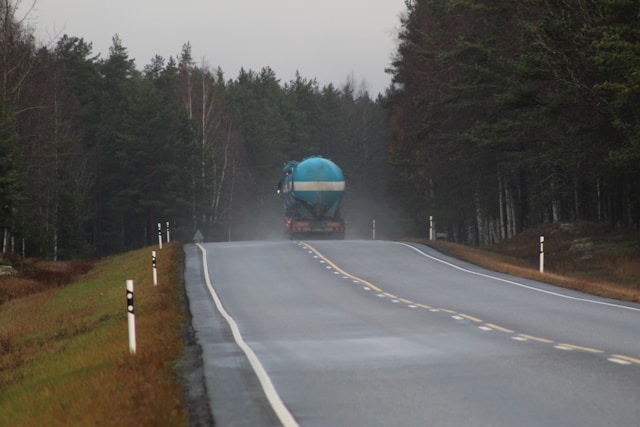
Trucks are hazardous when hydroplaning occurs. Their weight increases the stopping distance even in dry conditions. On wet roads, that risk multiplies. Large tires can trap water differently than passenger vehicles. When a truck loses traction, the size and force involved raise the chance of severe injuries. Other drivers nearby have little room to escape.
Common Crash Scenarios
Hydroplaning often leads to sudden lane departures. Vehicles may spin or veer into oncoming traffic. Multi-vehicle collisions are common during heavy rain. Highways and curves are especially risky. Standing water tends to collect in low spots. Drivers may not see the danger until it is too late.
Driver Reactions That Increase Danger
Many drivers slam the brakes when they feel traction loss. This usually makes the slide worse. Sudden movements can cause the vehicle to spin. Others overcorrect the steering wheel. Jerky motions reduce stability further. Staying calm and easing off the accelerator is safer.
How Weather and Road Design Contribute
Heavy rainfall overwhelms drainage systems quickly. Poorly designed roads allow water to pool rather than flow away. These conditions create perfect hydroplaning zones. Oil buildup on roads adds to the problem. The first rain after dry weather makes the pavement slick. That combination increases crash risk even more.
Injury Risks in Hydroplaning Crashes
Hydroplaning crashes often happen at higher speeds. This leads to more severe injuries. Head, neck, and spinal trauma are common. Truck-related crashes raise the stakes further. The size difference increases the impact force. Recovery can be lengthy and costly.
Steps Drivers Can Take to Reduce Risk
Maintaining tires is one of the most effective ways to protect them. Proper tread depth and inflation improve water displacement. Regular inspections make a real difference. Slowing down in the rain is just as important. Extra following distance gives more reaction time. Avoiding sudden movements helps maintain stability.
What To Do After a Hydroplaning Crash
After a crash, focus on safety. If you can, pull over to a safe spot and call for help. Get checked by a medical professional, even if you feel mostly fine—some injuries show up later. Then gather what you can at the scene: photos, contact information for witnesses, and notes about the weather and road surface. Those details can help explain how the crash happened.
Understanding Legal Support Options
Hydroplaning crashes rarely have just one cause. Wet pavement, tire condition, speed, and how a driver reacted can all factor in. Sorting out responsibility often requires a closer look at the circumstances. If a commercial truck was involved, there may be added layers, including company policies, insurance issues, and transportation rules. Legal support can help you understand what applies to your situation and what steps make sense next.
Final Thoughts
Hydroplaning turns ordinary rain into a serious hazard. A few seconds of lost traction can change lives. After severe crashes, some people need support navigating a trucking injury lawsuit.
