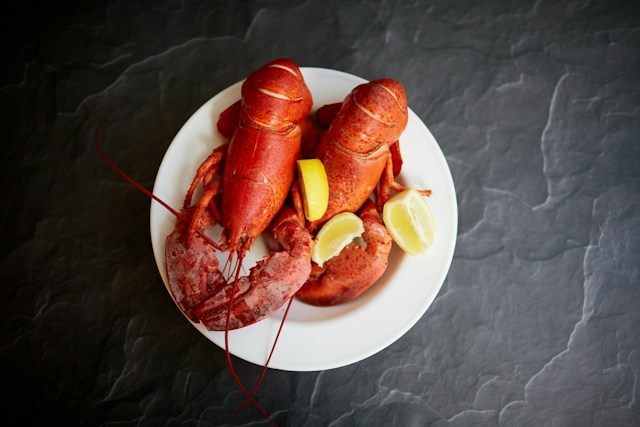
Frozen and fresh lobster tails come from the same seafood, yet preparation, storage, and cooking change the final result. Freezing can preserve lobster soon after harvest, but ice crystals affect muscle fibers and moisture.
Fresh tails usually have a firmer bite when handled well, while frozen tails can taste slightly sweeter or softer after cooking. The differences become clearer when shoppers compare timing, packaging, thawing, and heat control.
Why Fresh Tails Have a Firmer Texture
Fresh lobster tails have not gone through a freezing and thawing cycle. Their muscle fibers retain more natural moisture, which gives cooked meat a denser, cleaner bite.
Handling time still matters. A tail that sits warm for too long loses quality, even though it has never been frozen. Reliable cold storage keeps the meat firm and preserves its mild ocean flavor.
For shoppers comparing fresh maine lobster tails for sale online, shipping conditions matter as much as the label. Fresh tails require prompt refrigeration after delivery, while frozen tails need continuous freezing until thawing begins.
The category page identifies fresh lobster meat and lobster tails for delivery, with shipping information for orders sent throughout the United States. That detail helps buyers match the product to their cooking schedule.
How Freezing Changes Lobster Meat
Lobster meat contains water inside delicate muscle fibers. During freezing, that water forms ice crystals. Slow freezing creates larger crystals, which can damage more cell walls and release moisture during thawing.
Commercial seafood operations often freeze lobster quickly, which limits crystal growth. Even so, thawed meat usually loses more liquid than meat cooked soon after harvest. That liquid carries some flavor compounds, and the texture becomes less springy.
Packaging also affects the result. Air trapped around a frozen tail encourages freezer burn, which dries exposed surfaces and creates pale, tough patches. Tight packaging protects the meat and reduces unwanted odor transfer.
Flavor Differences After Cooking
Fresh lobster often tastes cleaner because less liquid escapes before cooking. Its natural sweetness remains concentrated, especially when the tail reaches the correct internal doneness.
Frozen lobster can still taste excellent, but thawing affects flavor. Liquid released in the refrigerator can carry away some soluble compounds. A frozen tail also absorbs odors if its packaging has gaps or if it shares freezer space with strongly scented foods.
The cooking method changes the comparison. Steaming preserves moisture, while grilling exposes the meat to direct heat and can dry it quickly. Butter-based basting adds fat, but it cannot restore moisture lost through poor thawing or overcooking.
Thawing Makes a Practical Difference
The safest method is refrigerator thawing. Place frozen tails in a covered container and allow enough time for the meat to soften gradually. This method limits temperature changes and reduces liquid loss.
Cold-water thawing works faster when the tail remains sealed in a leak-proof bag. Change the water as needed to keep it cold, then cook the lobster promptly after thawing.
A microwave is a poor choice for lobster tails because uneven heating begins cooking thin areas before the center thaws. That creates a rubbery texture and makes accurate cooking harder.
Never thaw lobster on a kitchen counter. Room-temperature thawing allows the outer meat to warm while the center remains frozen, which creates an unsafe temperature gap.
Cooking Both Types Correctly
Fresh and thawed lobster tails need careful heat control. Split the shell or cut the top before cooking when the recipe calls for direct seasoning. The shell protects the meat, but it also slows heat transfer.
Cook until the meat turns opaque and reaches a firm texture. Remove the tail as soon as it finishes, because residual heat continues cooking the center. Overcooking causes dryness in both fresh and previously frozen lobster.
Thawed tails often need slightly closer attention because their softer texture can break apart during handling. Fresh tails generally tolerate preparation better, but excessive heat still damages them.
Choosing the Better Option
Fresh tails suit meals planned around delivery and immediate cooking. They provide a firmer texture and a clean, concentrated flavor when cold storage remains consistent.
Frozen tails suit longer storage and flexible meal planning. They preserve convenience, reduce waste, and work well in dishes with sauces, pasta, or chowder. Their quality depends on quick freezing, sealed packaging, controlled thawing, and short cooking time.
The better choice depends on timing and the texture a meal requires. Fresh lobster has an edge for simple preparations where the meat stands alone. Frozen lobster remains practical when storage and scheduling matter more than a firm bite.
Conclusion
Frozen lobster tails taste different because freezing, packaging, thawing, and cooking change the meat’s moisture and texture. Fresh tails usually provide a firmer bite, while properly frozen tails deliver dependable quality with more flexible storage.
Buyers should choose fresh tails for a planned meal that centers on texture or frozen tails for convenience and longer storage. Whichever option is selected, refrigerator thawing and careful heat control protect the lobster’s natural sweetness.
